Austin Packing List

Packing for Austin requires a slightly different mindset than packing for many other American cities. The Texas capital is known for its warm climate, relaxed atmosphere, and outdoor lifestyle. Visitors quickly notice that a large part of daily life happens outside. Patios stay busy throughout the year, lakeside trails attract walkers and cyclists, and live music venues often spill out onto the streets in the evening.
Because of this, the most useful Austin packing list is not focused on formal outfits or complicated travel wardrobes. Instead, it is about comfort, breathable clothing, and a few practical layers that can adapt to different situations during the day. A typical day in Austin might include walking along Lady Bird Lake in the morning, visiting food trucks or shops on South Congress in the afternoon, and ending the night at a music venue with very strong air conditioning.
Quick Austin Packing Cheat Sheet for a 3-4 Day Trip
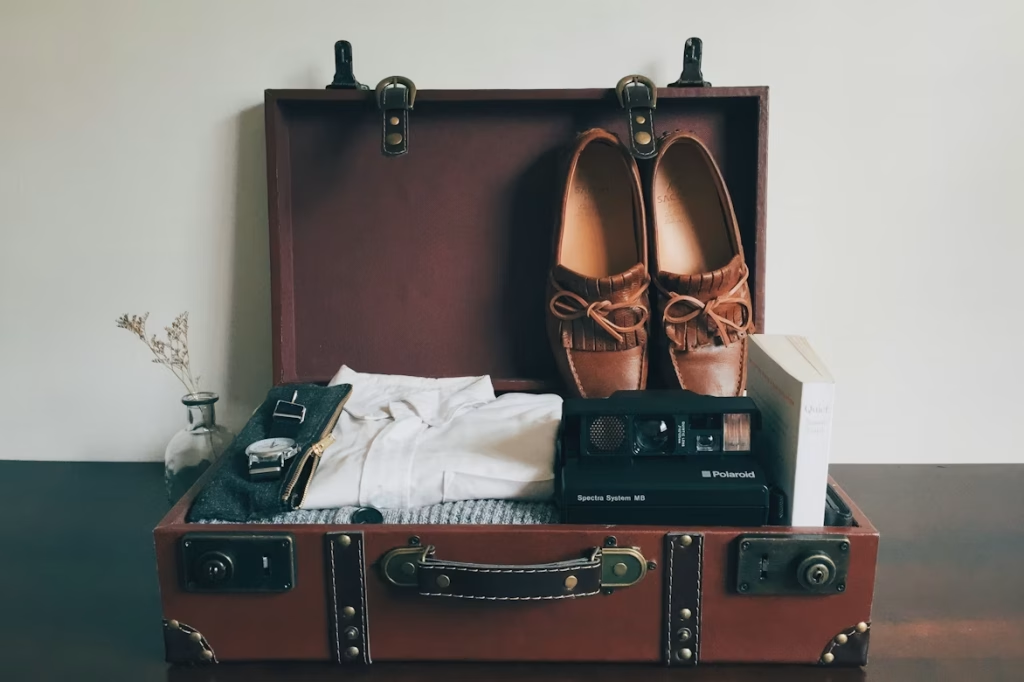
If you are planning a short visit and do not want to overthink your suitcase, a simple checklist can cover most situations. Austin is famously casual, so a small set of comfortable and versatile items will work for the majority of activities.
For a typical weekend or long city break, your Austin packing list can start with the following essentials:
- Comfortable walking shoes
- Breathable T-shirts or casual tops
- One long-sleeve layer for strong indoor air conditioning
- A light jacket or hoodie depending on the season
- Sunglasses with UV protection
- Sunscreen
- Refillable water bottle
- Small backpack or crossbody bag
- Phone charger or portable power bank
- Hat or cap for sun protection
Many travelers are surprised by how useful a small day bag becomes in Austin. Since people spend a lot of time outdoors, it is convenient to carry water, sunscreen, and a phone charger while exploring different neighborhoods.
Understanding Austin Weather Before You Pack
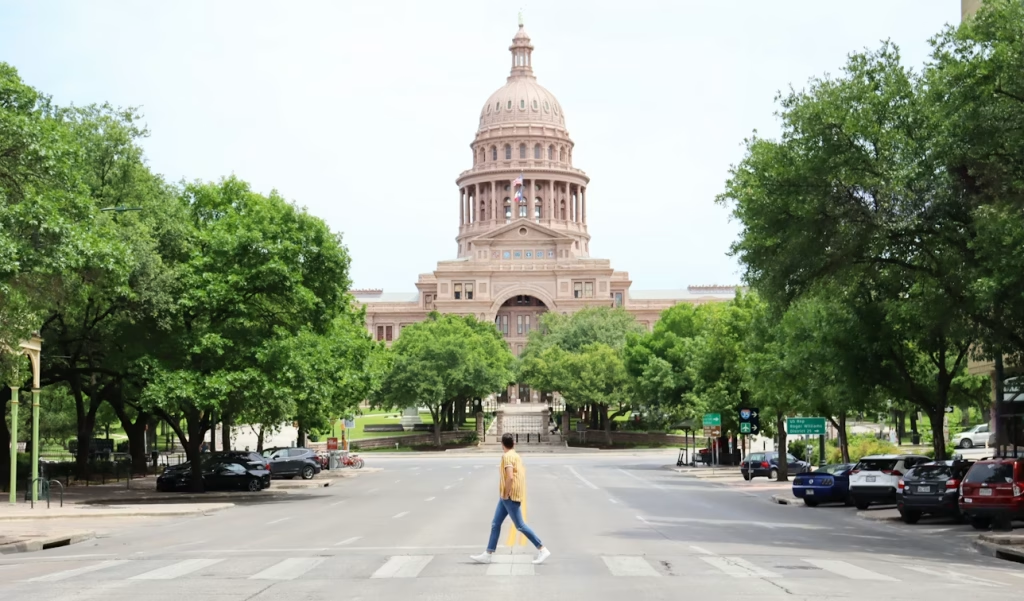
Austin has a warm subtropical climate, which strongly influences what you should pack. Summers are long and very hot, while winters stay relatively mild. Spring can bring brief thunderstorms, and fall usually offers the most comfortable weather.
Another thing to remember is the difference between outdoor and indoor temperatures. During summer, many restaurants and venues use strong air conditioning, so stepping inside can feel much colder.
Because of this, layering is helpful even in warm months. A lightweight overshirt or hoodie can make indoor spaces more comfortable.
The Texas sun is also intense from late spring through early fall, so sunglasses, sunscreen, and hats are essential. Comfortable shoes are equally important, since visitors often spend a lot of time walking around downtown, the lake trails, and neighborhoods like South Congress.
Seasonal Austin Packing Lists
What to Pack for Austin in Spring

Spring in Austin usually lasts from March through May and brings changing weather. Daytime temperatures typically range from 60°F to 85°F (16–29°C). Mornings can feel cool, especially in March, while afternoons later in the season may already feel quite warm.
Short thunderstorms are also common in spring, though they usually pass quickly.
Because temperatures shift during the day, packing light layers works best. Breathable fabrics are comfortable in warm afternoons, while a light sweater or hoodie helps in the evening.
Clothing
A versatile mix of light layers works best for spring in Austin.
- Breathable T-shirts
- Lightweight long-sleeve shirts
- Casual button-down shirt
- Light sweater or cardigan
- Thin hoodie or zip jacket
- Comfortable jeans
- Lightweight pants
- Casual shorts for warmer afternoons
Shoes
Spring weather makes walking around Austin particularly enjoyable. Visitors often spend hours exploring outdoor areas such as the Lady Bird Lake trail, Zilker Park, and the many cafés and shops around South Congress Avenue.
Supportive sneakers are usually the most practical footwear choice for this season. They provide comfort for long walks and work well on both city sidewalks and park paths. Lightweight sandals can also be useful on warmer days, especially if you plan to spend time on outdoor patios or near the water.
Accessories
Spring accessories mainly help you adapt to changing weather conditions. A compact umbrella can be useful because thunderstorms sometimes appear quickly during the afternoon.
Sunglasses and sunscreen are also important because the Texas sun becomes stronger as the season progresses. A small backpack or crossbody bag makes it easy to carry daily essentials such as water, sunscreen, and a portable phone charger while exploring the city.
What to Pack for Austin in Summer

Summer in Austin is hot and sunny. From June through September, daytime temperatures usually range between 90°F and 105°F (32–40°C), while nights stay warm at around 75–80°F (24–27°C). Heat waves can occasionally push temperatures even higher.
Because of this climate, staying cool and hydrated is essential. Many locals plan outdoor activities early in the morning or later in the evening to avoid the hottest part of the day.
Clothing should focus on breathability and comfort. Lightweight fabrics that allow airflow will help regulate body temperature while exploring the city.
Clothing
Summer wardrobes in Austin should focus on lightweight pieces that handle heat well.
- Breathable cotton or linen T-shirts
- Tank tops
- Moisture-wicking athletic shirts
- Lightweight shorts
- Loose summer dresses
- Thin sun-protective long-sleeve shirt
- Casual short-sleeve button-down shirt
- Breathable underwear
Shoes
Although sandals are popular during Austin summers, many visitors still prefer breathable sneakers for longer walks. Sneakers provide better support when exploring neighborhoods or walking along the lake trails.
Supportive sandals can also be a good option for casual outings such as visiting food truck parks or outdoor markets. The most important factor is choosing footwear that remains comfortable even during long days in the heat.
Accessories
Summer accessories are mostly about protecting yourself from sun exposure. Sunglasses and sunscreen quickly become everyday essentials. A hat or cap can also provide valuable shade during the hottest parts of the day.
Carrying a refillable water bottle is strongly recommended because dehydration can happen quickly in Texas heat. Some travelers also find portable fans or cooling towels useful when exploring the city during peak afternoon temperatures.
What to Pack for Austin in Fall
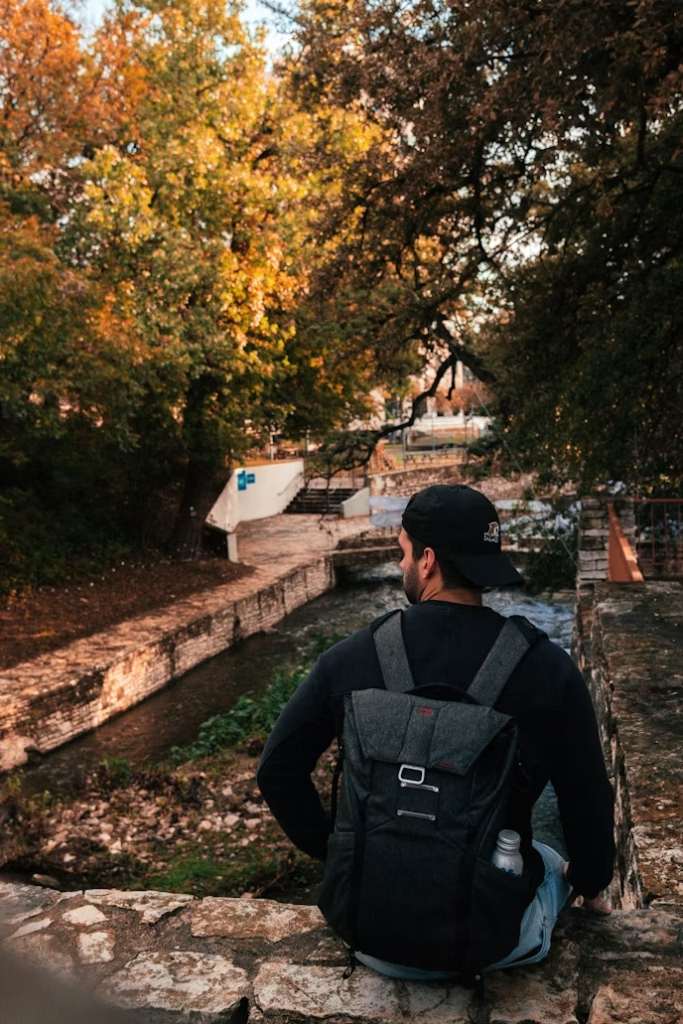
Fall is often considered the best time to visit Austin. From October through November the weather becomes noticeably more comfortable, with daytime temperatures usually ranging between 65°F and 85°F (18–29°C). Early fall may still feel warm, while evenings later in the season can become cooler.
This pleasant climate encourages outdoor activities. The city hosts numerous festivals, live music events, and markets during this time, and many visitors spend long days walking between neighborhoods.
Clothing
Fall clothing should remain light but allow for layering as temperatures drop in the evening.
- Short-sleeve shirts
- Lightweight long-sleeve shirts
- Casual button-down shirt
- Light sweater
- Thin jacket or overshirt
- Comfortable jeans
- Casual pants or chinos
- Light dress or skirt
Shoes
Fall weather is ideal for walking around Austin, so comfortable sneakers remain the most versatile option. Visitors who plan to go out in the evening may also appreciate casual ankle boots or loafers, which work well for restaurants, concerts, and bars while still allowing short walks between locations.
Accessories
Accessories in fall remain fairly simple. Sunglasses are still useful because sunny days are common even later in the year. A light scarf can add warmth during cooler evenings, especially if you attend outdoor concerts or spend time on restaurant patios.
A small backpack or crossbody bag remains helpful for carrying water, sunscreen, and a portable phone charger while exploring the city.
What to Pack for Austin in Winter

Winter in Austin is relatively mild compared with most American cities. From December through February daytime temperatures typically range between 50°F and 65°F (10–18°C), although occasional cold fronts can briefly bring temperatures closer to 40°F (4°C).
Snow is extremely rare, but rainy or windy days sometimes appear during the winter months.
Clothing
Winter wardrobes in Austin usually focus on layering rather than heavy winter gear.
- Long-sleeve shirts
- Sweaters or pullovers
- Light insulated jacket
- Casual hoodie
- Comfortable jeans
- Warmer pants or leggings
- Layering T-shirts
- Casual button-down shirt
Shoes
Most winter days remain mild enough for comfortable sneakers. However, casual boots can be useful if temperatures drop or if rain arrives during a passing cold front. The key is choosing footwear that remains comfortable for walking.
Accessories
Accessories during winter are minimal. A light scarf or knit hat may be useful during chilly mornings. Sunglasses remain helpful because Austin still experiences many sunny winter days, and a compact umbrella can be useful during rainy periods.
What to Pack Depending on Your Trip Type
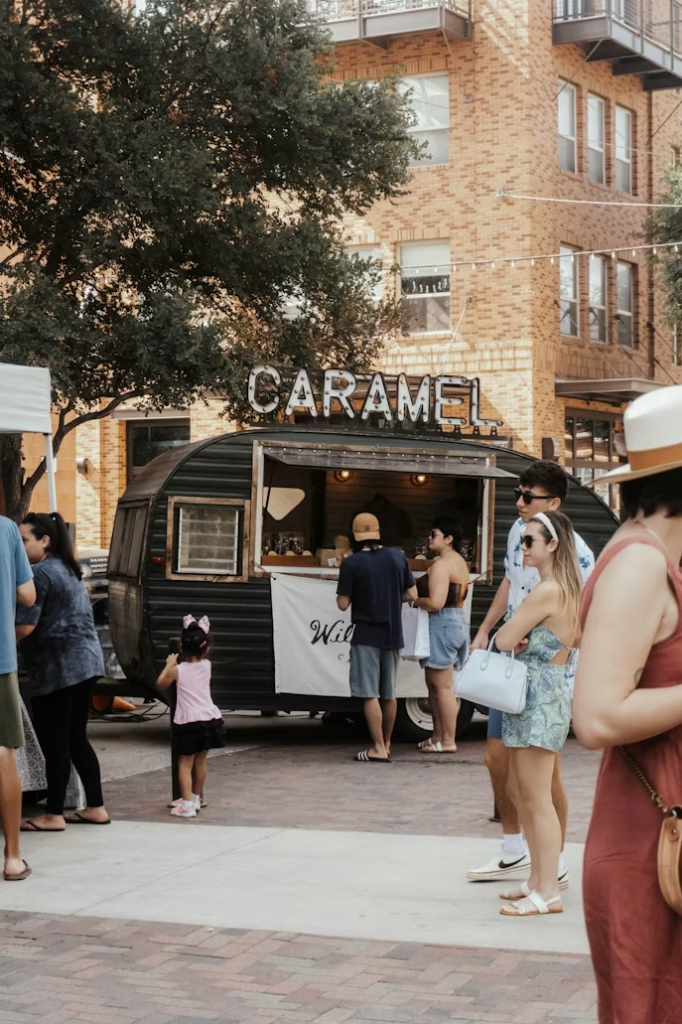
Even after adjusting your packing list to the season, the exact items you bring can also depend on how you plan to experience the city. Austin attracts many different travelers. Some come for a relaxed weekend with food trucks and live music, others visit for conferences and business meetings, and families often focus on parks and outdoor attractions.
Because of these different travel styles, it can be useful to add a few extra items based on your itinerary. The suggestions below highlight things that may change depending on your plans, without repeating the basic clothing already mentioned earlier.
Weekend City Break
A weekend in Austin usually revolves around exploring neighborhoods, trying local food, and experiencing the city’s famous music scene. Most places have relaxed dress codes, which makes packing relatively simple. Travelers can rely on casual outfits that work during the day and still feel appropriate for evenings out.
For a short city break, these additions can be useful:
- Compact carry-on suitcase or travel backpack
- Versatile outfits that mix easily together
- Casual outfit suitable for live music venues or evening bars
- Lightweight jacket or overshirt for indoor spaces
- Portable phone charger for long days exploring
Packing light is particularly helpful for short trips because it allows you to move easily between neighborhoods, especially if you plan to explore several parts of the city in one day.
Business Trip
Austin is a major destination for conferences and professional events, particularly in the technology and creative industries. Although the business culture here tends to be more relaxed than in many other American cities, it is still useful to bring clothing that looks polished and professional.
Business travelers often add a few specific items to their suitcase.
- One business-casual outfit suitable for meetings
- Lightweight blazer or structured jacket
- Comfortable but polished shoes
- Wrinkle-resistant shirts
- Laptop sleeve or protective case
Many offices in Austin follow a smart casual style, so clothing that balances professionalism with comfort usually works best.
Walking-Heavy Itinerary
Many visitors quickly discover that Austin is best explored on foot. Walking around Lady Bird Lake, visiting local markets, and exploring neighborhoods such as South Congress or East Austin can easily fill an entire day.
If your travel plans include a lot of walking, a few additional items can make your experience far more comfortable.
- High-quality walking shoes with good cushioning
- Extra pair of socks
- Blister bandages or foot tape
- Lightweight backpack for daily essentials
- Refillable water bottle
These small additions help prevent common problems that can interrupt a long day of exploring.
Traveling With Kids
Austin is a surprisingly family-friendly city with parks, lakes, playgrounds, and several interactive museums. However, since many activities involve spending time outdoors, it is helpful to pack a few extra items that make outings easier for both parents and children.
Families often find these items particularly useful:
- Wet wipes
- Small snack packs
- Reusable water bottles
- Extra clothing layer for cooler evenings
- Portable sunscreen stick
These additions help make long sightseeing days more comfortable and flexible.
Packing Tips Travelers Often Forget
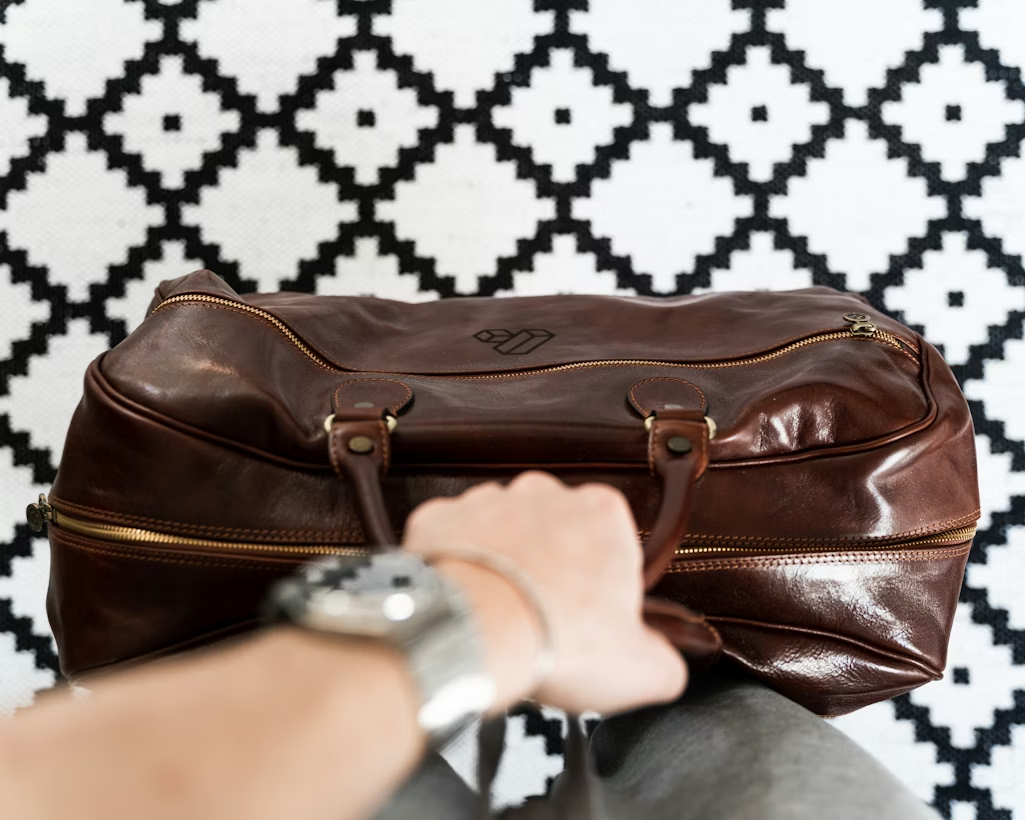
Packing efficiently can make your trip much easier. Many travelers focus only on what to bring, but the way you organize your suitcase also matters.
Rolling clothes instead of folding them helps save space and reduce wrinkles, especially for casual items like T-shirts, dresses, and lightweight pants. It also makes it easier to see everything in your suitcase without unpacking.
Packing cubes are another useful tool. They separate clothing into categories and keep your bag organized, which is especially helpful if you open your luggage often or move between hotels.
Planning outfits in advance can also prevent overpacking. Neutral colors and simple pieces combine easily, allowing you to create several outfits with fewer items.
It is also important to protect electronics. Phones, cameras, and chargers should be stored in padded pouches, and it is best not to leave devices inside parked cars because Austin’s summer heat can affect batteries.
Finally, wearing your bulkiest shoes during travel instead of packing them can free up valuable suitcase space.
Final Thoughts

Austin is a relaxed city where practical packing works better than complicated travel wardrobes. Visitors spend much of their time outdoors, moving between sunny streets, parks, cafés, and music venues.
If you are visiting for the first time, focus on breathable clothing, comfortable walking shoes, and protection from the Texas sun. From there, adjust your packing list depending on the season. Spring travelers may want to prepare for occasional rain, summer visitors should prioritize staying cool, fall trips benefit from light layers, and winter usually only requires a jacket for cooler evenings.
With a thoughtful Austin packing list, you will be ready to enjoy the city’s outdoor lifestyle, creative culture, and vibrant music scene without worrying about what you forgot to bring.