When Is the Best Time to Visit Bratislava
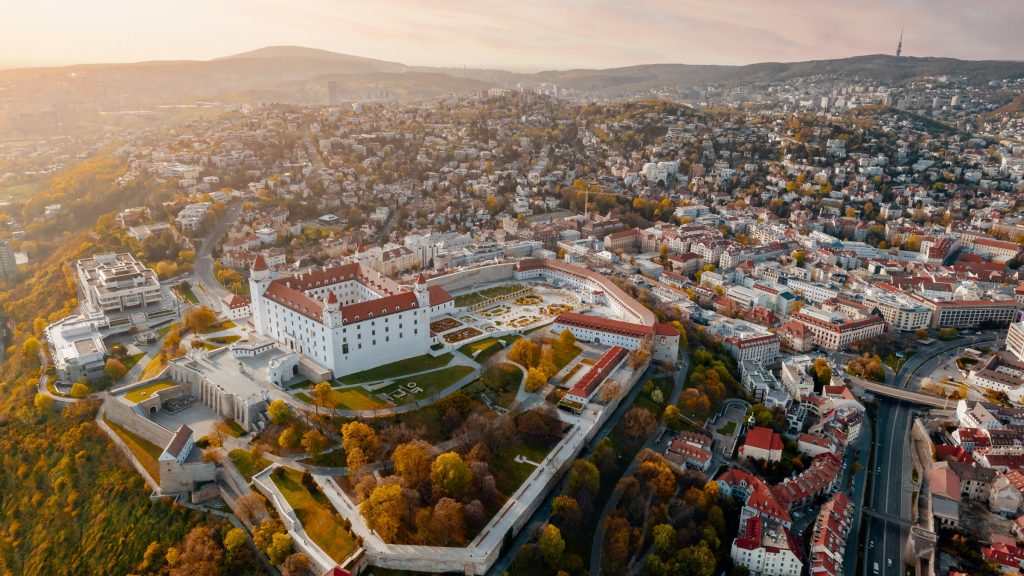
Bratislava is one of those cities where timing quietly changes how the trip feels. The Slovak capital shifts noticeably across the year, from festive winter streets and calm riverside walks to lively spring cafés and warm summer evenings along the Danube. Choosing the best time to visit Bratislava is less about chasing perfect weather and more about understanding how seasons shape crowds, prices, and the overall rhythm of the city.
Instead of relying on generic travel advice, it helps to look at how Bratislava actually changes month by month. Some periods are ideal for relaxed old town walks and day trips to nearby capitals, while others come with trade-offs like higher accommodation prices or heavier tourist flow. Whether you are planning a short Central European stop or building a multi-city itinerary, the timing can strongly influence how smooth and enjoyable your Bratislava experience feels.
Quick Cheat Sheet: When to Visit Bratislava
If you want a quick overview before diving into seasonal details, here is a simple breakdown of what different times of year offer in Bratislava.
Best overall time: April, May, and September
These months offer a strong balance of mild weather, manageable crowds, and good conditions for exploring the Old Town and taking short trips along the Danube.
Best weather: Late spring and early autumn
Warm but comfortable temperatures make walking the compact historic centre easy, with plenty of outdoor cafés and scenic river views without summer heat.
Cheapest time: January, February, and November
Lower tourism demand brings more flexible hotel prices and fewer visitors, especially outside major holiday periods like Christmas markets.
Fewest crowds: Mid-winter and late autumn
The city feels calmer and more local, making it easier to explore museums, viewpoints, and quiet neighbourhood streets at a slower pace.
If you only have 2 to 3 days: April to early June or September
These periods make Bratislava especially easy to enjoy on foot while still leaving room for simple day trips to Vienna, Devin Castle, or nearby wine regions.
What Each Season Feels Like in Bratislava
Bratislava experiences clear seasonal contrasts, and each part of the year reshapes how the city feels day to day. Because the historic centre is compact and much of the experience happens outdoors, weather and daylight have a direct impact on how enjoyable walking, viewpoints, and riverfront areas are. Understanding what each season is actually like on the ground makes it easier to decide whether you want festive atmosphere, quiet streets, or comfortable exploring conditions.
Winter in Bratislava (December to February)
Weather
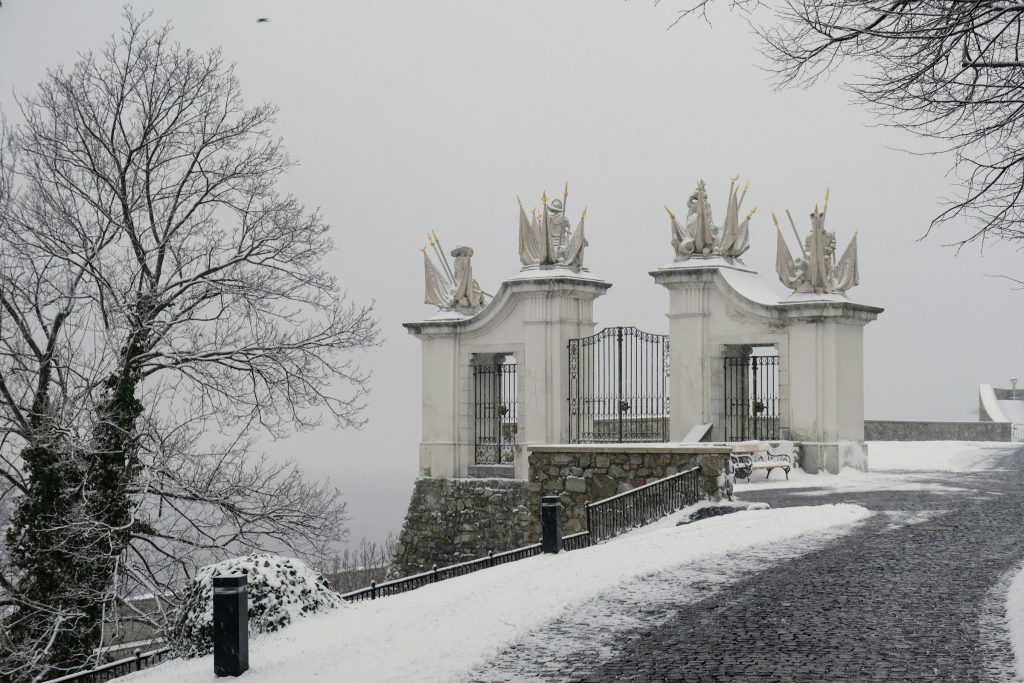
Winter in Bratislava is cold enough to feel distinctly Central European but usually not extreme. Daytime temperatures often sit between -2°C and 5°C, with colder spells in January. Snow appears some years but is not guaranteed, so many winter visits unfold under grey skies rather than postcard scenery. Short daylight hours also shape the experience, especially if you plan castle viewpoints or riverside walks.
Crowds and atmosphere
December is the outlier. Christmas markets around Hlavné námestie and Hviezdoslav Square draw visitors from across the region, and weekends can feel surprisingly busy for a small capital. Once the holiday season ends, the city changes quickly. January and February are among the quietest months of the year, when even the Old Town feels noticeably calmer and more local.
What it’s good for
Winter suits travellers who care more about atmosphere than packed sightseeing schedules. December works well if you want festive lights, mulled wine stands, and seasonal events, especially as part of a Vienna-Bratislava winter trip. Post-holiday winter is better for budget-conscious visitors who want lower hotel prices and uncrowded museums, though you need to plan shorter outdoor days due to cold and early sunsets.
Spring in Bratislava (March to May)
Weather
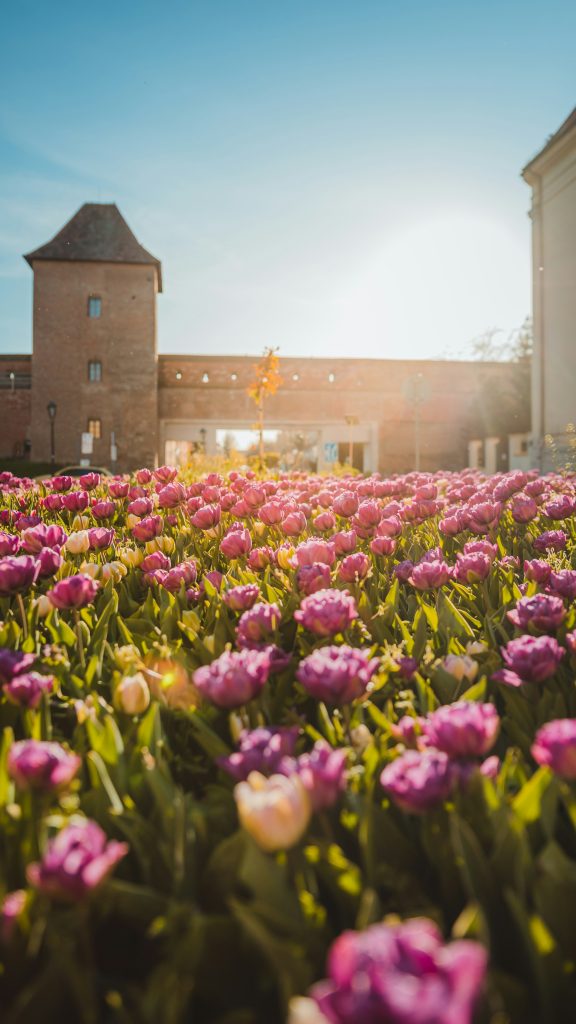
Spring in Bratislava arrives gradually rather than all at once. March can still feel cool and changeable, with a mix of sunny afternoons and lingering winter chill. By April, temperatures usually settle into a comfortable range around 12–18°C, making long walks far more pleasant. May often brings stable mild warmth and longer daylight hours, which significantly improves the overall experience of exploring the Old Town and castle viewpoints.
Crowds and atmosphere
Tourism starts to return in spring, but the city rarely feels overwhelmed. April brings a noticeable lift in energy as outdoor terraces reopen and locals return to parks and river promenades. By May, weekends become livelier, especially in pedestrian areas and along the Danube embankment, yet the crowds remain manageable compared to peak summer. This balance makes it one of the easiest seasons to enjoy Bratislava without navigating heavy tourist flow.
What it’s good for
Spring is one of the most practical times to visit if you want flexibility. The weather supports full days on foot, including castle climbs and riverside cycling routes, without the fatigue that summer heat can bring. It is also an ideal season for combining Bratislava with nearby destinations. Day trips to Vienna are especially smooth in spring thanks to frequent trains and pleasant walking conditions in both cities. Late spring also works well for wine-focused outings in the Small Carpathians, when vineyard areas begin to reopen for tastings and outdoor events.
Summer in Bratislava (June to August)
Weather
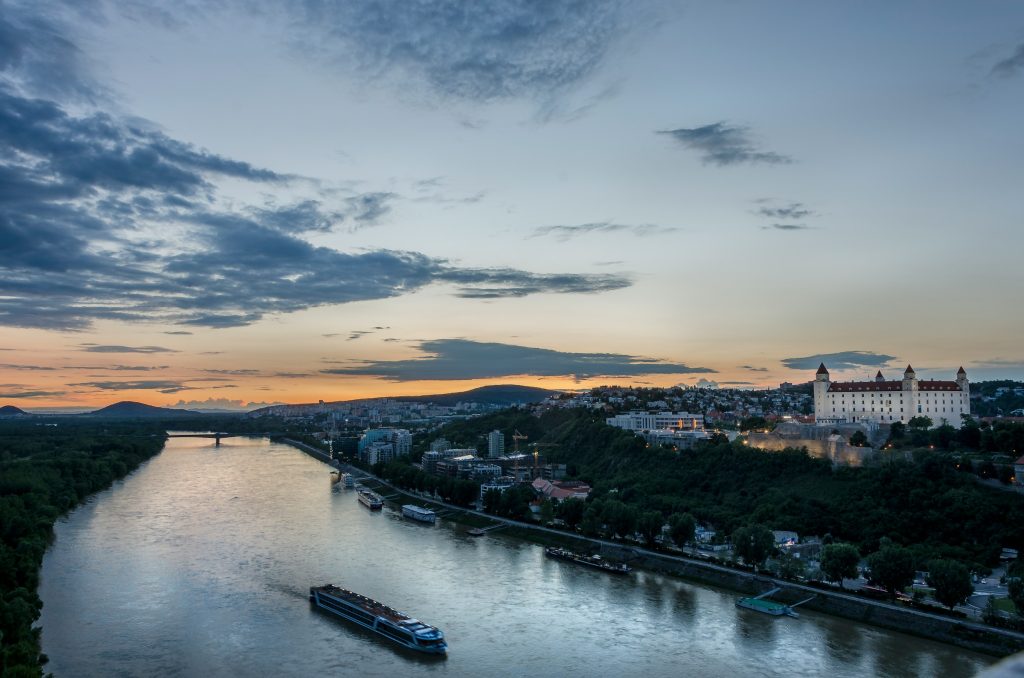
Summers in Bratislava are warm and can occasionally feel intense, especially in July and August. Daytime temperatures often reach 27–32°C, and the heat reflects strongly off stone streets and open squares in the Old Town. Midday sightseeing can feel tiring, particularly on uphill routes like the walk to Bratislava Castle. Evenings, however, are noticeably more comfortable, with warm air and long daylight hours that stretch well past 9 pm.
Crowds and atmosphere
Summer brings a steady flow of international visitors, many arriving on short stops between Vienna and Budapest or via Danube cruises. The city rarely feels overcrowded, but key areas such as the castle terraces, Michael’s Gate, and riverfront promenades become busier during peak weeks. At the same time, the atmosphere shifts outdoors. Riverside bars, floating terraces, and open-air events make the city feel more social and relaxed after sunset.
What it’s good for
Summer works best if you adjust your daily rhythm. Early mornings are ideal for exploring the Old Town before the heat builds, while afternoons are better spent indoors or along the river where there is more airflow. This season is particularly strong for outdoor experiences. Boat trips on the Danube, cycling routes toward Austria, and evening dining along the waterfront all feel more rewarding in warm weather. It is also a convenient time if Bratislava is just one stop in a broader Central European route, as transport connections and regional travel options run at full frequency.
Autumn in Bratislava (September to November)
Weather
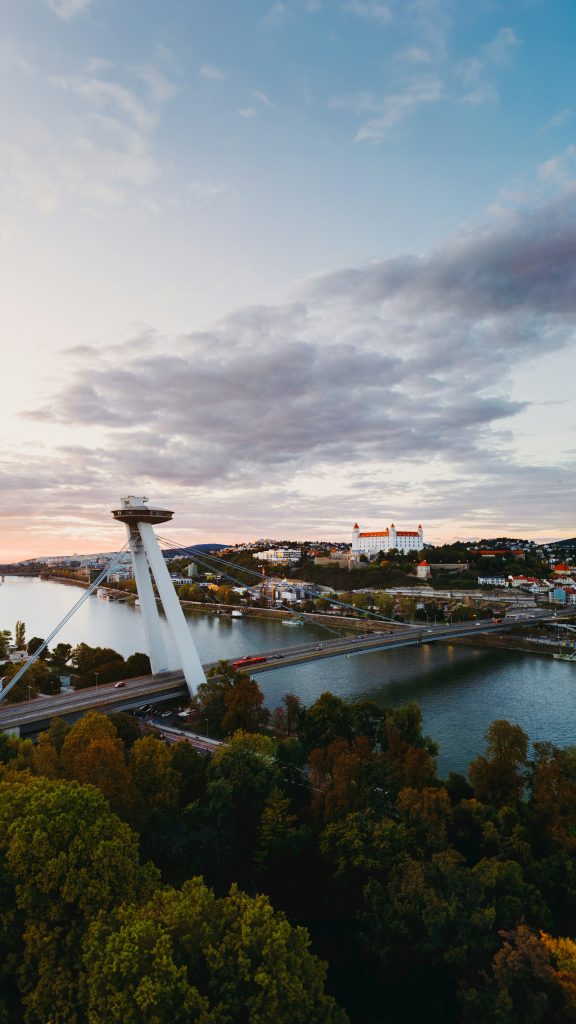
Autumn in Bratislava begins comfortably and cools gradually. September often feels like a softer continuation of summer, with temperatures around 18–24°C and clear skies that make walking especially enjoyable. October brings crisp air and noticeable seasonal colour in parks and nearby hills, while November turns cooler and more overcast, with shorter days and a more subdued atmosphere.
Crowds and atmosphere
After the summer travel flow, the city settles into a calmer rhythm. September still sees a steady number of visitors, particularly on weekends, but the intensity drops compared to July and August. By October, the Old Town becomes easier to navigate, and viewpoints feel less crowded. November is one of the quietest autumn months, when tourism dips and the city feels more local again.
What it’s good for
Autumn is ideal if you prefer a slower, more atmospheric visit. Early autumn offers some of the most comfortable walking conditions of the year, making it perfect for exploring the historic centre without heat or heavy crowds. It is also one of the best seasons for regional experiences. Wine festivals and vineyard visits in the Small Carpathians peak around September, while cooler weather later in autumn suits relaxed café days and uncrowded sightseeing. For many travellers, this period offers one of the most balanced combinations of weather, prices, and pace.
Crowds, Prices, and Booking Reality in Bratislava
While Bratislava is smaller than many European capitals, travel timing still shapes how expensive and smooth the trip feels. The city sits on a major Central European travel corridor, which means prices and crowd levels are often influenced by regional tourism patterns rather than local demand alone. Understanding when the city gets busier and how booking behaviour changes can help you avoid overpaying and plan more efficiently.
When the city gets busiest
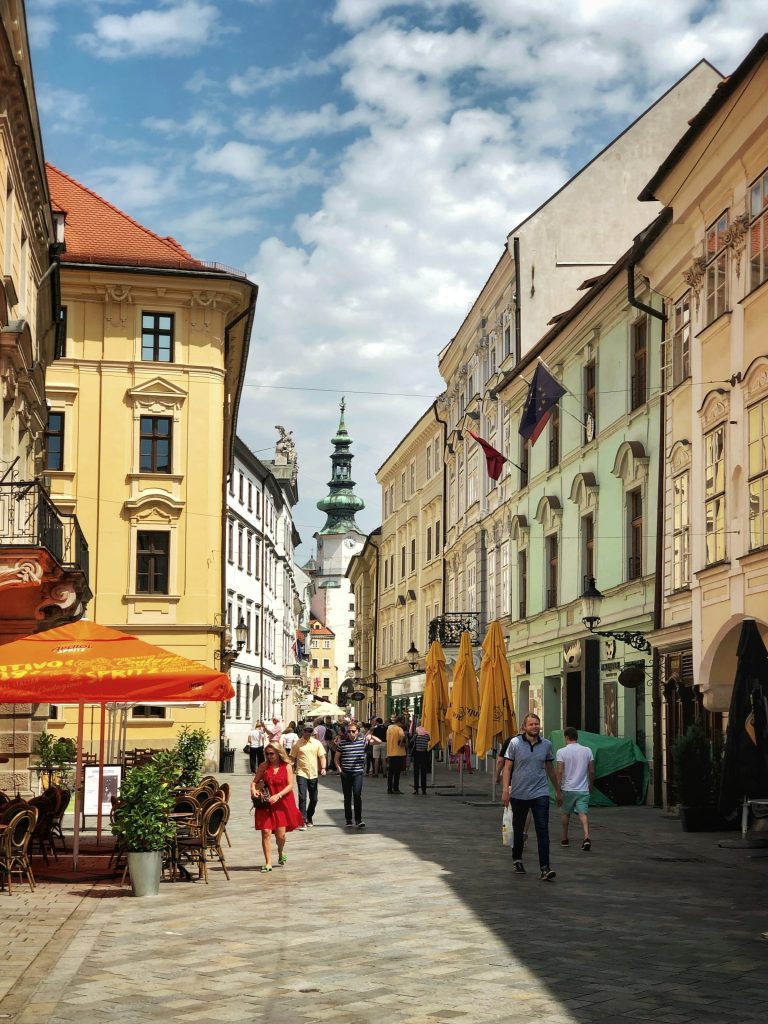
Bratislava’s busiest periods usually align with regional travel peaks rather than mass tourism waves. Late spring and early autumn bring a steady flow of visitors, especially those combining Bratislava with Vienna, which is just an hour away. Summer weekends can also feel busier due to Danube cruises and short multi-city trips. December is another high-demand period because of Christmas markets, which attract travellers from neighbouring countries for short festive breaks.
How seasonality affects prices
Accommodation prices tend to rise from May through September, particularly in the Old Town and areas within walking distance of the castle or riverfront. Summer weekends can see noticeable price spikes, especially when festivals or river cruise arrivals overlap. December also pushes prices up in central districts due to seasonal tourism. Outside these windows, hotel rates become more flexible, and shoulder seasons often offer noticeably better value for central stays.
Booking patterns to keep in mind
Bratislava is generally easier to plan than larger capitals, but timing still matters if you want the best location. Spring and early autumn benefit from booking a few weeks ahead, especially for boutique hotels and apartments in the historic centre. Summer usually allows moderate flexibility, but central properties with air conditioning tend to sell faster. Winter outside the holidays is the most forgiving period, when last-minute bookings are often still possible without major price jumps.
Smart planning tips that actually matter in Bratislava
- Book Old Town stays early if travelling in December or during spring weekends, as the compact historic centre has limited hotel capacity.
- If prices in the centre feel high, look at districts like Petržalka or areas near the main train station, where trams and buses make access to the Old Town quick and easy.
- Skip renting a car unless you plan multiple countryside trips. Parking in the historic centre is limited and often restricted.
- Use Bratislava as a rail hub. Frequent trains to Vienna run roughly every 30 to 60 minutes, which makes spontaneous cross-border day trips very realistic.
- If you are visiting in summer, choose accommodation close to the river or with shaded streets nearby, as the Old Town can feel noticeably hotter than riverside areas.
- Consider staying Sunday to midweek for lower prices, since weekend demand is driven heavily by short regional trips and cruise passengers.
- Check whether your accommodation is walkable from the train station or river port if you plan to arrive from Vienna, as transfer times in the compact centre are often shorter than expected.
Different Ways to Experience a Day in Bratislava
Even though Bratislava is compact, the city offers enough variety to shape very different day experiences depending on the season. Because distances are short, you can structure your day around themes rather than logistics. Some routes feel best in warm weather along the river, while others naturally lean toward cosy streets, viewpoints, or slower café days during colder months.
Old Town to Bratislava Castle Loop
Best months: April to June and September
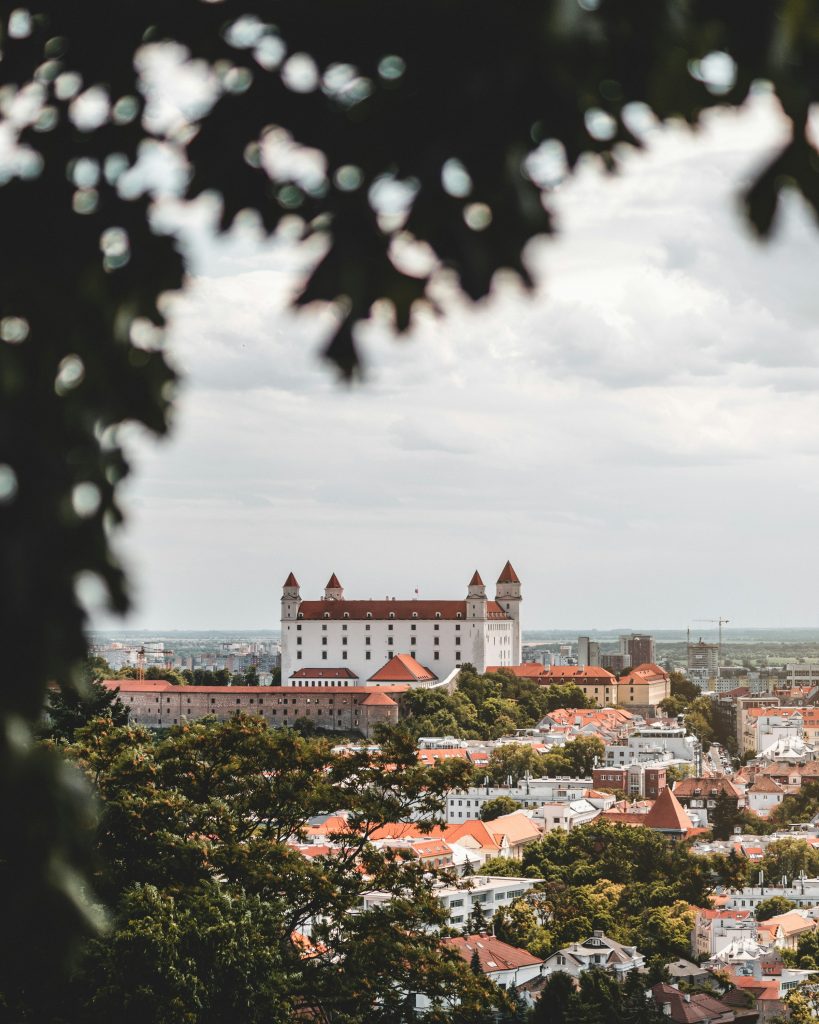
This is the most classic Bratislava day route and works especially well in mild weather. Start in the Old Town around Michael’s Gate, continue through Hviezdoslav Square, and gradually climb toward Bratislava Castle for panoramic views over the Danube. Spring and early autumn make the uphill walk far more comfortable, while still offering clear visibility from castle terraces.
Danube Promenade and Riverside Day
Best months: May to September
On warmer days, the river becomes the natural centre of activity. A relaxed route can begin near the SNP Bridge, continue along the promenade, and include stops at floating cafés or riverside parks. Late spring and early autumn offer the best balance of sunshine and comfort, while summer works well if you focus on mornings and evenings.
Castle Hill and Old Town Café Day
Best months: October to March
Cooler months are perfect for slower, atmospheric days built around viewpoints and indoor stops. A typical winter or late autumn route might combine castle views, smaller museums, and long café breaks in the Old Town. This format works especially well when daylight is shorter and you want a flexible pace rather than full-day outdoor walking.
Bratislava Design and Modern City Walk
Best months: Year-round, especially spring and autumn
Beyond the historic core, Bratislava has a growing contemporary side. A modern-focused day can include the Blue Church, Eurovea riverfront, and newer districts that highlight the city’s evolving architecture. Shoulder seasons are ideal, as walking between older and newer areas feels more enjoyable without summer heat or winter cold.
Hilltop Views and Sunset Day
Best months: Late spring to early autumn
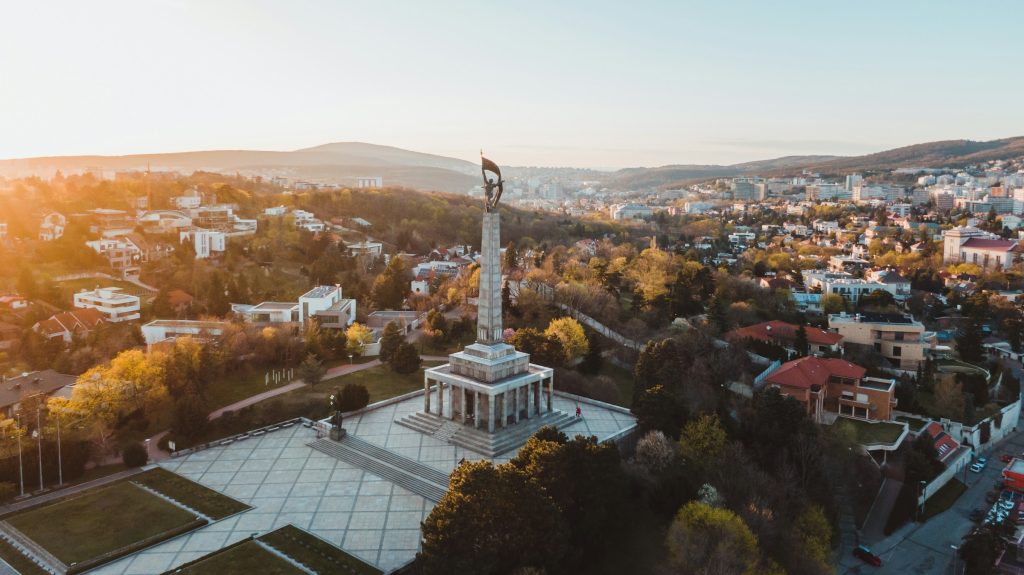
For travellers who enjoy viewpoints, dedicating a day to elevated spots can be surprisingly rewarding. Combine Bratislava Castle, Slavín memorial, and sunset along the river for a layered experience of the city. Longer daylight hours make this especially appealing between May and September, when you can stretch the day into golden-hour views.
Slow Bratislava Day (Markets, Streets, Cafés)
Best months: November to March
In colder months, Bratislava naturally lends itself to slower travel. A relaxed day might include local markets, traditional bakeries, and quiet streets without peak tourism pressure. This style of day works particularly well in late autumn and winter, when the city feels more local and less driven by sightseeing checklists.
Timing Your Bratislava Experience
The best time to visit Bratislava depends less on chasing a single ideal month and more on the kind of city break you want to create. Spring and early autumn offer the easiest balance, with comfortable walking weather, manageable crowds, and a relaxed pace that makes exploring the compact centre feel natural. These seasons are especially rewarding if you want long walks, scenic viewpoints, and flexible plans without adjusting your day around heat or cold.
Summer brings a brighter, more energetic version of the city, shaped by riverside life and long evenings along the Danube. It can be rewarding if you plan your days around the rhythm of the heat and lean into outdoor experiences. Winter, by contrast, reveals a quieter and more atmospheric Bratislava, where festive markets, shorter days, and slower sightseeing define the mood.
Once you match the season to your travel style, Bratislava becomes an easy city to enjoy without overplanning. Its small size, strong regional connections, and clear seasonal character mean that timing does not just affect the weather. It shapes how the city feels, how busy it gets, and how naturally the trip unfolds.