Souvenirs from Vienna: What to Bring Home from Austria’s Elegant Capital
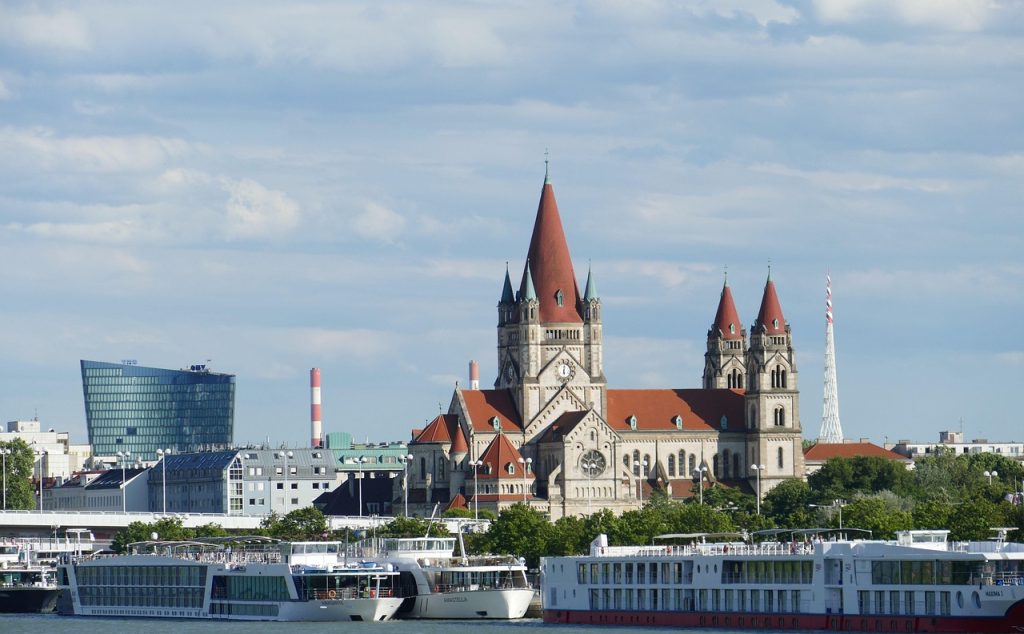
Vienna doesn’t try to grab your attention. It doesn’t rely on flashy facades or wow you the moment you arrive. The city reveals itself slowly, in the echo of footsteps under grand arcades, in the relaxed ritual of sipping coffee on a silver tray, and in the warm glow of antique chandeliers shining through tall windows.
Souvenirs from Vienna are like the city itself. They’re rarely bright or flashy. Instead, they’re subtle, elegant, and connected to the city’s mood rather than the latest trend. Picking what to bring home isn’t just about buying something, it’s about keeping a little piece of the feeling with you.
In this guide, we’ve rounded up the best souvenirs that people really buy and actually bring home from Vienna. These aren’t random trinkets from the first shop you stumble upon. They’re items with character, full of the city’s charm. We’ll also share some practical tips: where to shop, how to avoid overpaying in tourist spots, how to spot quality over mass-produced stuff, and how to get your treasures home safely. A little planning goes a long way, saving time, money, and stress, and making your choices feel a lot more meaningful.
A Quick Peek at Vienna Souvenirs: Just the Basics Before We Dive Deeper
Best Edible Souvenirs
- Mozartkugel – the most iconic sweet of Austria, instantly recognizable.
- Viennese Coffee – local roasters offer unique blends worth trying.
- Manner Wafers or Mini Desserts – light, affordable, and easy to pack.
Best Things: Crafts, Design, Jewelry
- Snow Globes – a Viennese invention with a nostalgic charm.
- Vienna Secession–Style Accessories – museum-inspired items look far more elegant than mass-produced magnets.
Top Gifts for Colleagues
- Mini chocolate sets
- Individually wrapped sweets
Best Budget-Friendly Souvenir
- A postcard or small poster featuring Viennese art motifs
Last-Minute Picks
- Well-packed sweets
- Coffee in airtight packaging
What to Avoid
- Mass-produced tourist junk of questionable quality
- Pseudo-branded items with no real connection to Vienna
Best Choice: TOP-5 Vienna Souvenirs
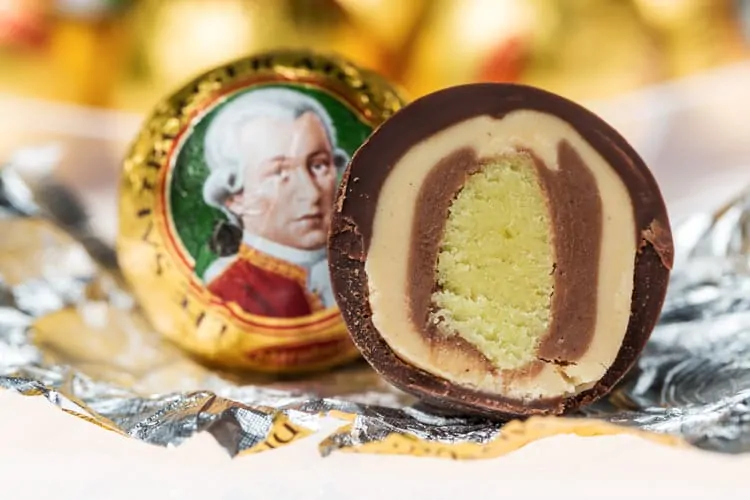
Mozartkugeln (Marzipan Chocolate Balls)
Why it’s typical:
These chocolate balls filled with marzipan are among Austria’s most famous gastronomic symbols and are sold in many Viennese confectioneries and delicatessen shops.
Where to buy:
— La Cure Gourmande Vienna — an atmospheric sweets shop with quality chocolate packages
— Many central souvenir shops also sell small Mozartkugel boxes
The price is approximately from €4 to €20.
How to transport: carry-on or checked baggage; preferably in a rigid box to prevent melting or crushing.
Viennese Coffee (Whole Bean or Ground)
Why it’s typical:
Coffeehouses are part of Vienna’s soul, and locally roasted coffee can bring back memories of long coffee breaks in historic cafés.
Where to buy:
— Specialty coffee shops in the city center
— Delicatessen stores such as the coffee section at Souvenir Shop AM RING Vienna
A 500 g bag of classic Viennese coffee beans from a local roaster like Julius Meinl can cost around €15‑€16.
How to transport: airtight packaging; allowed in carry-on or checked baggage.
Snow Globe (Viennese Style)
Why it’s typical:
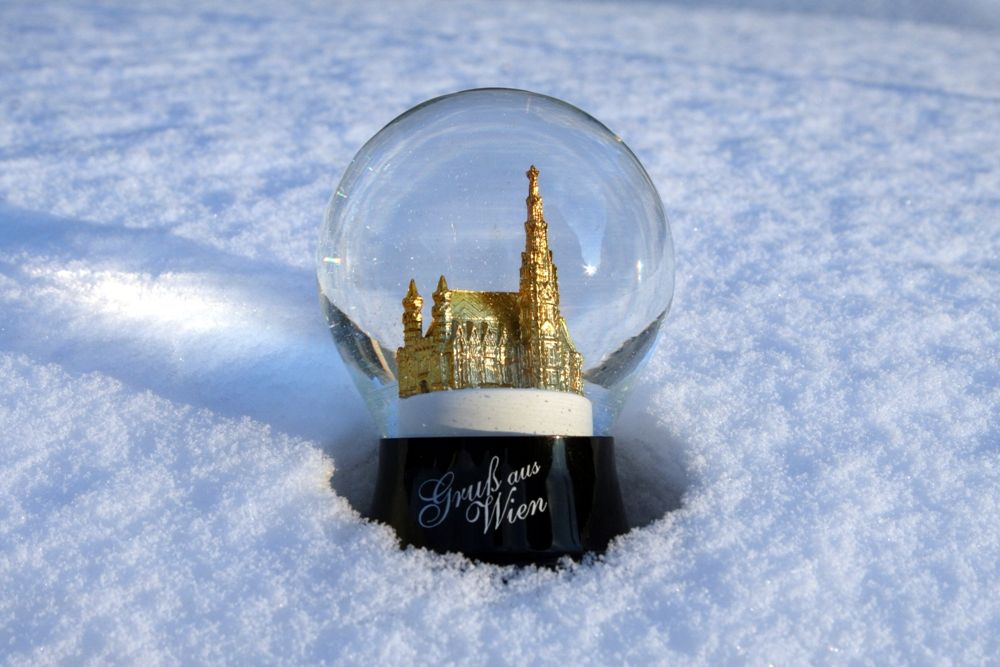
The snow globe is not just a souvenir but an invention associated with Vienna. Many shops offer quality versions in elegant boxes.
Where to buy:
— Austria Corner Amadeus — quality gifts and souvenirs
— Welcome Souvenir & Mozart Selfie Point — wide selection near the center
Small or basic ones could cost about €10 – €15, but larger or collectible versions: can be more, especially handcrafted or special editions, sometimes €30+ or higher if they’re bigger or premium quality.
How to transport: well packed (original box + extra protection); preferably in carry-on due to fragility.
Stylish Souvenirs and Designer Pieces
Why it’s typical:
Vienna has a rich artistic and design tradition, reflected not only in classic souvenirs like postcards, notebooks, and posters, but also in elegant jewelry, accessories, and small designer items that capture the city’s unique style.
Where to buy:
— MAK Design Shop
— Souvenirarts
— Austrian art-jewellery label My Magpie
— HAMTIL & SÖHNE in der Wollzeile
How to transport: carry-on or checked baggage depending on material.
Traditional Vienna Ceramics or Commemorative Art
Why it’s typical:
These are items connected to local culture and craftsmanship — not mass-produced magnets, but pieces that genuinely reflect the city.
Where to buy:
— O&O Vienna Souvenirs/Gift Shop
— Oh Vienna Souvenir Shop
— VogelArt
— Ceramics One of a Kind
How to transport: fragile items in carry-on with good protection; soft items pose less risk.
Practical Tips
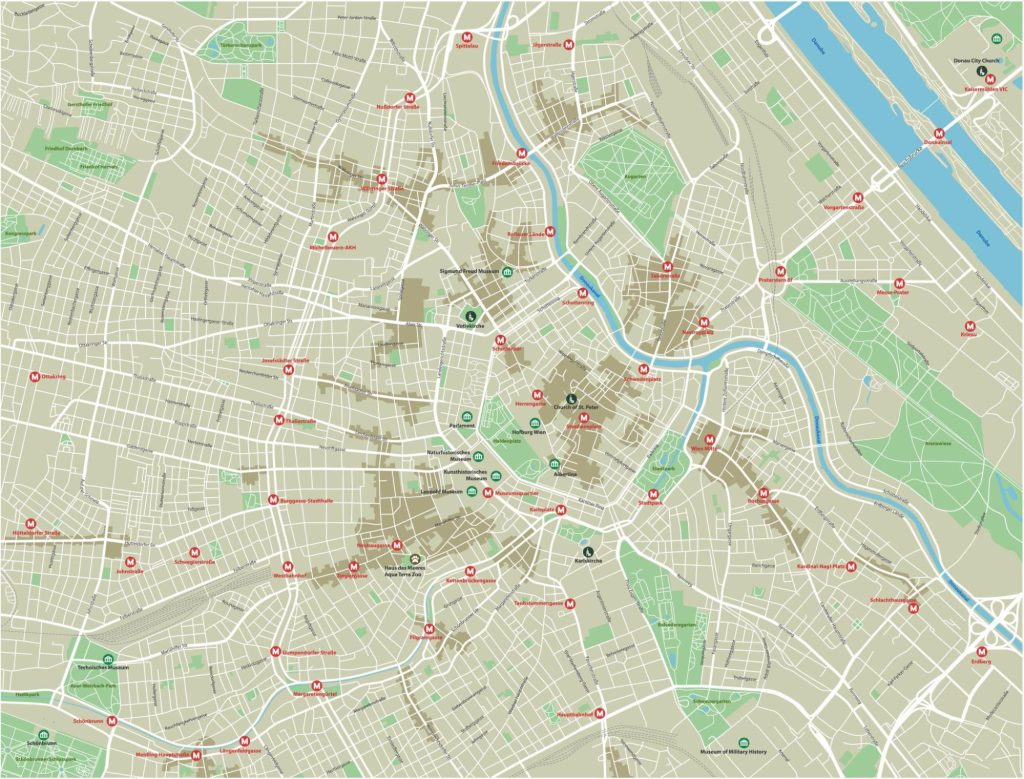
In central Vienna, especially near Stephansplatz and pedestrian streets, there are many souvenir shops offering various options.
The closer you are to major tourist spots, the higher the price for simple magnets. For quality souvenirs, look in specialized stores or art shops.
If you want something less obvious, consider more unique options.
Unique Souvenirs of Vienna
Augarten Wien Porcelain
Why it is unique:
One of Europe’s oldest porcelain manufactories, operating since the 18th century. This is not a typical “tourist souvenir” but a genuine piece of Viennese heritage. You can also buy the Biedermeier style pieces that emerged within the Austrian cultural environment of the 19th century. This represents a distinctive local aesthetic.
Where to buy:
— The Augarten manufactory and flagship store
— Premium museum shops
— Antique shops in the Innere Stadt
Handmade Hats from Viennese Workshops
Why it is unique:
Vienna has a long-standing millinery tradition. A classic felt hat is both stylish and unmistakably Viennese.
Where to buy:
— Traditional stores in the city center
— Independent ateliers near Graben
Sheet Music or Facsimile Scores
Why it is unique:
Vienna is the capital of classical music. Reproductions of historical scores or printed sheet music editions make an intelligent and thematic souvenir.
Where to buy:
— Shop at Haus der Musik
— Specialized music bookstores
Vintage Austrian Items
Why it is unique:
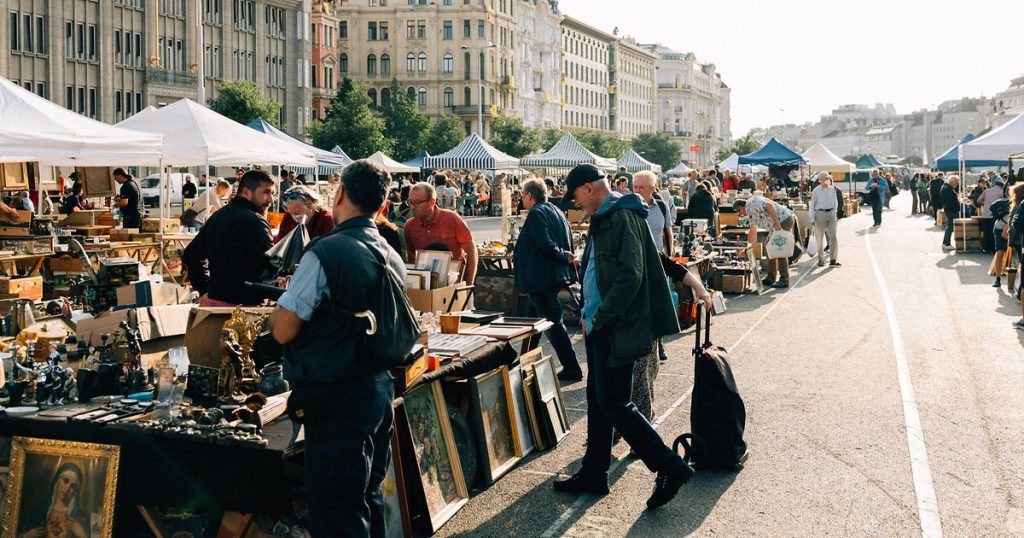
Not mass-produced, but small vintage pieces from local flea markets — items with character and history. It could be cut glass, decorations, wax seals, calligraphy sets — the aesthetic of old Austria.
Where to buy:
— Naschmarkt (weekend flea market)
— Small antique stores
— Historic bookstores in the center
Food & Drinks from Vienna: What to Bring for a Gourmet
Tasty Treats to Bring Home from Vienna
Vienna is famous for its sweets, chocolates, and local delicacies, making edible souvenirs a must for any foodie traveler. From marzipan-filled chocolates to delicate wafers and other traditional treats, these goodies let you take a bite of the city home with you. They’re perfect for sharing with friends, surprising family, or simply enjoying a little taste of Vienna whenever you want. Each sweet treat carries a piece of local culture, tradition, and the unmistakable Viennese flair.
Artisan Chocolate Pralines
Altmann & Kühne — small handmade cubes in distinctive geometric boxes — old Vienna aesthetics without mass-market production.
How to transport:
Keep in a cool, dry place; avoid heat. Preferably in carry-on; may soften in summer but will not leak.
Candied Violets
Kandierte Veilchen — Once a favorite dessert of the imperial court, a very Viennese story.
How to transport:
Keep dry and tightly sealed. Safe in carry-on; fragile, so avoid pressure.
Pumpkin Seed Oil (Kürbiskernöl)
An Austrian gastronomic symbol with a rich, nutty flavor.
How to transport:
Store in a dark, cool place. Checked baggage only (liquid over 100 ml). Wrap carefully to prevent leakage.
Wachau Apricot Jam (Marillenmarmelade)
Apricots from the Wachau region are a point of local pride, known for intense aroma and natural ingredients.
How to transport:
Do not need the fridge. Glass jars should go in checked baggage, wrapped in clothing or bubble wrap.
Austrian Tarragon Mustard (Estragon Senf)
Traditional tarragon mustard offers a distinctive local flavor.
How to transport:
Keep tightly closed. If over 100 ml, checked baggage only; seal in a plastic bag.
Lebkuchen (Austrian Gingerbread)
Especially popular in winter and during Christmas markets; less touristy than standard cookies.
How to transport:
Keep it dry. Can crumble; pack in a box and place between soft clothing.
Poppy Seed Desserts (Mohnstrudel or Vacuum-Packed Filling)
Poppy seeds are a characteristic ingredient in Austrian cuisine.
How to transport:
Strudel in carry-on; vacuum-packed filling in checked baggage.
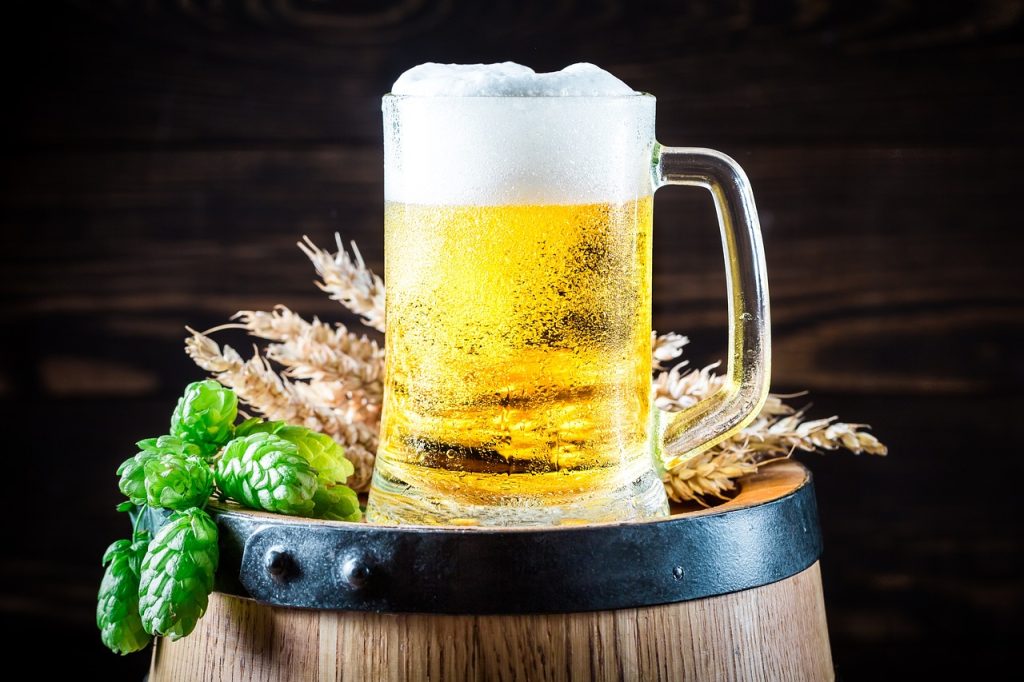
Drinks from Vienna
Vienna is also a city with a rich drinking culture. From world-famous coffee blends to locally crafted liqueurs, Viennese drinks make for thoughtful and delicious souvenirs. Bringing a bottle or a bag of beans home is a way to capture a taste of the city, share it with friends, or enjoy a little Viennese ritual long after your trip. These beverages carry the flavor of local traditions and the unique character of Vienna, making them more than just drinks, they’re memories in a cup or a bottle.
Herbal Liqueurs (e.g., Zirbenschnaps)
Alpine pine liqueur offers a distinctly Austrian taste, not a typical tourist cliché.
How to transport:
Keep the bottle tightly sealed. Checked baggage only, or buy it in a duty free store after security.
Austrian Craft Beer from Local Breweries
Small regional breweries offer varieties difficult to find abroad.
How to transport it:
Avoid temperature changes. Checked baggage only; cans are safer than glass.
Elderflower Syrup (Holundersirup)
A popular Austrian summer drink, often mixed with water or prosecco.
How to transport:
Over 100 ml — checked baggage only; double packaging recommended.
Tips: How to Transport Liquids
In carry-on, only containers up to 100 ml are allowed (in a transparent bag). Alcohol, syrups, and oils should go in checked baggage. Wrap glass bottles and jars in clothing or bubble wrap. If you don’t want to risk it, buy the alcohol drinks in duty free shops after security control.

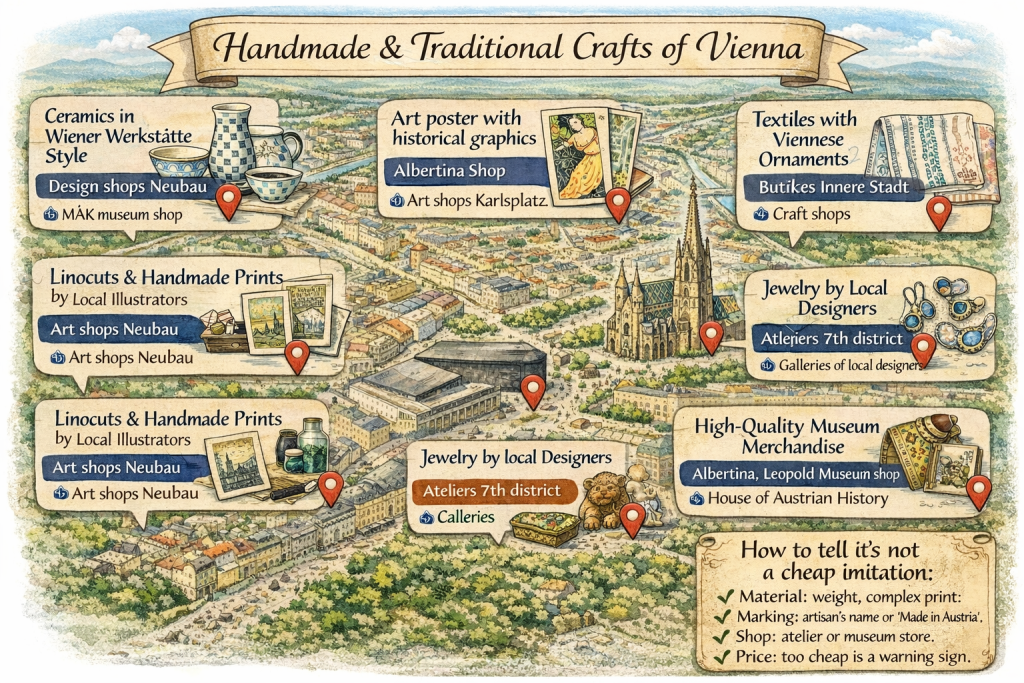
Handmade and Traditional Crafts from Vienna
Vienna’s handmade and traditional crafts are more than just souvenirs—they capture the city’s history, culture, and unique charm. Each piece reflects local artistry and centuries-old techniques, giving you a small but meaningful connection to the city. Bringing these crafts home lets you meet the stories behind the work, whether through local artisans, family-run workshops, or traditional designs, and keeps a piece of Vienna’s spirit with you long after your trip.
Ceramics, Reproductions and Contemporary Interpretations
Why it is Viennese:
Wiener Werkstätte was a landmark early 20th-century movement that united art and craftsmanship. Contemporary workshops create ceramics with geometric ornaments and minimalist décor inspired by this style.
Where to buy:
— Design shops in the Neubau district
— Museum shops at MAK — Museum für angewandte Kunst
Art Posters with Historic Viennese Graphics
Why it is Viennese:
Retro opera, ball, or exhibition posters in Art Nouveau style are part of the city’s visual history.
Where to buy:
— Museum shop at Albertina
— Art stores near Karlsplatz
Textiles with Viennese Ornaments
Why it is Viennese:
Traditional Alpine and imperial textiles (tablecloths, kitchen towels) made from natural fabrics in restrained colors, without tourist clichés.
Where to buy:
— Local textile boutiques in the Innere Stadt
— Craft stores
Handmade Silver Jewelry by Local Designers
Why it is Viennese:
Small studios create jewelry inspired by architecture, façade symmetry, and the city’s musical heritage.
Where to buy:
— Jewelry ateliers in the 7th district
— Local design galleries
Linocuts and Handmade Prints by Local Illustrators
Why it is Viennese:
Vienna has a strong tradition of graphic art and printmaking. Author prints featuring city silhouettes look contemporary and far from banal.
Where to buy:
— Independent art shops
— Creative spaces in Neubau
Wooden Carvings from Local Stores
Why it is Viennese:
Austrian wood carving is part of Alpine craftsmanship culture. Small decorative items have a warm, homely character.
Where to buy:
— Craft stores
— Seasonal markets
Museum Souvenirs and Gifts (Not Mass-Market)
Why it is Viennese:
Viennese museums pay attention to design: silk accessories, art reproductions, limited-edition items made from quality materials.
Where to buy:
— Shops at Albertina, Leopold Museum, MAK — Museum für angewandte Kunst
— Haus der Geschichte Österreich
Austrian Beauty: Skincare and Cosmetics to Bring Home
Austria has a long tradition of natural skincare and high-quality cosmetics, often made with carefully sourced ingredients from the Alps. These products aren’t just useful, they’re a little piece of Viennese lifestyle you can take home. From luxurious creams to fragrant soaps and herbal remedies, Austrian cosmetics combine elegance, effectiveness, and a touch of local charm. They make thoughtful souvenirs because they’re both practical and unique, giving friends and family (or yourself!) a taste of Vienna’s refined approach to beauty.
Saint Charles Apothecary — Viennese Apothecary Skincare
Why it is truly Viennese:
The brand was founded in Vienna and operates in the concept of a historic pharmacy focused on botanical formulas and European phytotherapy.
Where to buy:
— The Saint Charles pharmacy on Gumpendorfer Straße
— Official brand boutiques in the city center
What to check:
— Natural formulas without aggressive components
— Original branded packaging
— Volume up to 100 ml if taking in carry-on
— Glass bottles are safer in checked baggage
Susanne Kaufmann — Alpine Care from Austria
Why it is connected to Austria:
The brand uses Alpine herbs and is produced in Austria. Frequently available in Viennese concept stores and premium department stores.
Where to buy:
— Cosmetic boutiques in the Innere Stadt
— Large department stores such as Steffl
What to check:
— “Made in Austria” labeling
— avoid random souvenir shops
— liquids over 100 ml cannot go in carry-on
— wrap glass containers carefully
Ringana — Austrian “Fresh Cosmetics”
Why it is local:
An Austrian brand built around fresh cosmetics without synthetic preservatives. Sold in Vienna through official partners and certified stores.
Where to buy:
— Certified brand partners
— Natural cosmetics shops (not tourist stalls)
What to check:
— shorter shelf life (normal for the brand)
— sealed packaging
— volume limits for flights
— avoid suspiciously low prices
For flights:
— Up to 100 ml: allowed in carry-on
— Larger volumes: checked baggage
— Purchases after security control are not subject to the 100 ml restriction
Who Each Vienna Souvenir Is Perfect For
Not every souvenir fits every person, and that’s part of the fun of shopping in Vienna. Some gifts are perfect for friends with a sweet tooth, others for design lovers, and some are ideal for colleagues or family members who appreciate practical keepsakes. Knowing who you’re buying for makes choosing souvenirs easier and more meaningful. In this section, we’ll guide you through which Vienna treasures are best suited for different types of people, so your gifts feel thoughtful and memorable.
Family Gifts
- A porcelain tea set or decorative plate with a Viennese motif (for example from Augarten Wien)
- Apricot jam from the Wachau region
- A limited-edition museum art print or official reproduction (for example from Albertina or Leopold Museum)
Friends Souvenirs
- Artisan pralines from a local chocolate maker such as Altmann & Kühne
- Author postcards or linocuts by local illustrators
- Herbal liqueur (Zirbenschnaps or Kräuterlikör)
- A designer accessory from MuseumsQuartier
Colleagues (Remarkable but not pricy)
- Candied violets in a small box
- A mini jar of tarragon mustard (Estragon Senf)
- A compact praline set
- Art postcards with historic Viennese graphics
Children (Safe and Not Bulky)
- A wooden toy from an Austrian workshop
- A small plush bear in traditional style
- A children’s illustrated book about Vienna (in English or German)
- A puzzle featuring Vienna’s silhouette or St. Stephen’s Cathedral
Where to Buy Souvenirs in Vienna
Finding the perfect souvenir in Vienna is part of the adventure. From charming museum shops and local ateliers to hidden boutiques tucked away in side streets, the city offers plenty of places to discover something special. Knowing where to look helps you avoid the tourist traps and find authentic, high-quality items that truly capture Vienna’s character. In this section, we’ll highlight the best spots to shop, so you can bring home meaningful keepsakes and enjoy the hunt along the way.
Markets and Food Markets
Pros:
— Local products and seasonal delicacies
— Less tourist-oriented stalls can be found
Cons:
— Some vendors target tourists
— Prices may differ from “local” rates
How to choose a good stall:
— See where locals shop
— Minimal aggressive “souvenir” displays
— Clear pricing and transparent product origin
A good example is the area around Naschmarkt.
Specialty Shops and Delicatessens
Pros:
— Consistent quality
— Better packaging for transport
Cons:
— Often more expensive
This is a good option for gastronomic souvenirs if quality and ingredients matter.
Museum Shops
One of the best choices for a cultural souvenir.
— Thoughtful design
— Official reproductions
— Lower risk of buying cheap copies
Suitable for art prints, accessories, and limited-edition items — for example at Albertina, Leopold Museum, MAK — Museum für angewandte Kunst or Haus der Geschichte Österreich.
Design Shops and Local Brands
The best choice for unique items.
— Local authors
— Small production runs
— Contemporary Viennese style
Areas like Neubau and MuseumsQuartier are particularly strong for this.
Tourist Streets and Random Souvenir Stalls
Risk zone!
— Mass-produced goods
— Overpaying for standard items
— Often not “Made in Austria”
If you don’t have much time for shopping, buy only small, cheap items here.
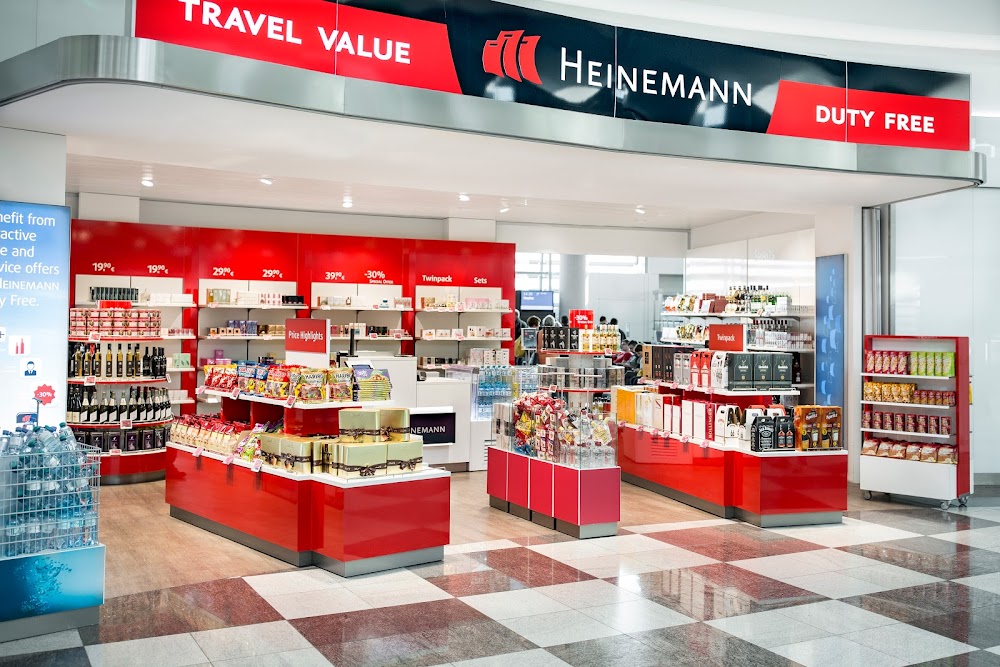
Airport
Convenient for buying:
— Alcohol
— Syrups
— Well-packaged sweets
Often overpriced:
— Designer goods
— Handmade souvenirs
— Cosmetics outside travel size
Short on Time? Quick Tips for Vienna Souvenirs
If your trip is short and shopping for souvenirs feels impossible, don’t worry, you can still bring a piece of Vienna home. Focus on items that are easy to grab and carry, like small chocolates, postcards, or locally roasted coffee. Museum shops and airport stores often stock high-quality, authentic souvenirs, so you can make a meaningful purchase without wandering the city for hours. Another tip: pick multi-item gift sets or pre-packed treats, they save time and still look thoughtful. Even with just a few minutes, you can find memorable souvenirs that capture Vienna’s charm.
Don’t Get Fooled: How to Avoid Cheap Imitations in Vienna
When shopping for souvenirs, it’s tempting to grab something just because it looks cute or inexpensive. But in Vienna, the real charm is in quality and authenticity. Choosing well-made items not only gives you a keepsake that lasts, it also reflects the city’s artistic and craft traditions. Avoid cheap imitations and mass-produced trinkets, these rarely capture the spirit of Vienna and often don’t last long. Here are some simple tips to help you tell the difference between genuine craftsmanship and touristy knock-offs:
Material. Natural ceramics have weight and texture; silver has a hallmark; textiles list composition on the label.
Date of expiring. Especially important for food and beverages, check if you have enough time to bring it home and taste.
Marking. Look for the workshop name, designer’s name, or “Made in Austria.”
Place. Museum shops and specialized ateliers are more reliable than random souvenir stalls near tourist attractions.
Price. An unusually low price is often a warning sign (especially for silver, textiles, and handmade items).
Details. Even seams, neat packaging, high-quality printing — small details distinguish craftsmanship from mass production.
How to Avoid Buying Useless Items
It’s better to buy less but choose quality over quantity. Look for souvenirs that truly reflect Austria, you won’t find these unique items in a supermarket back home in Italy or anywhere else. Avoid things that will just gather dust. Instead, pick items you can enjoy, like tasty treats, or gifts that match your own interests or those of your friends: art, history, local specialties, or handcrafted pieces. This way, every souvenir you bring home has meaning and a real connection to Vienna.
How to Pack and Transport Souvenirs
What Goes in Checked Baggage vs Carry-On
Better in carry-on:
— Fragile items (ceramics, glass, jewelry)
— Chocolate and sweets that may melt
— Small designer objects
Better in checked baggage:
— Bottles with alcohol, syrups, oils
— Large jars of jam or sauces
— Bulky but non-fragile items
Liquids: How to Avoid Leakage
— Tighten bottle caps firmly
— Wrap the neck with cling film
— Place in a sealed zip bag
— Add a second outer bag
— Position in the center of the suitcase between soft items
Carry-on limit: max 100 ml per container in a transparent bag.
Fragile Items
— Use bubble wrap or clothing
— Do not place near hard objects
— Position closer to the center of the suitcase
— If possible, label baggage as fragile
Food
To avoid odors:
— Use factory-sealed packaging
— Add an extra bag for strong-smelling products
To avoid crumbling:
— Place boxes between clothing
— Do not put under heavy items
To avoid leakage:
— Ensure jars and sauces are tightly closed
— Always use additional sealed packaging
What You Cannot Bring with You
— Perishable products without vacuum or factory packaging
— Liquids without sealed containers (homemade sauces, opened jars, drinks without factory seal)
— Plants, seeds, seedlings — often restricted or requiring certificates
— Counterfeit “branded” items or goods of dubious origin
— Antiques and artworks without documentation
Important: Rules depend on the destination country, airline, and whether you are flying within or outside the EU. Restrictions may apply to alcohol, animal-origin products, liquid volumes, and cultural valuables. Always check customs regulations of your arrival country and your airline’s baggage policy before departure.
Take a Piece of Vienna Home
Vienna isn’t just a city you visit, it’s a place you feel, taste, and remember. The right souvenirs let you carry a little bit of that magic back with you. Whether it’s a handcrafted keepsake, a sweet treat, a unique piece of jewelry, or a local design gem, each item tells a story of the city’s culture, creativity, and charm. Thoughtfully chosen souvenirs don’t just fill your suitcase—they keep the spirit of Vienna alive long after your trip, letting you revisit its streets, cafés, and traditions whenever you want.