How to Get Around Cyprus
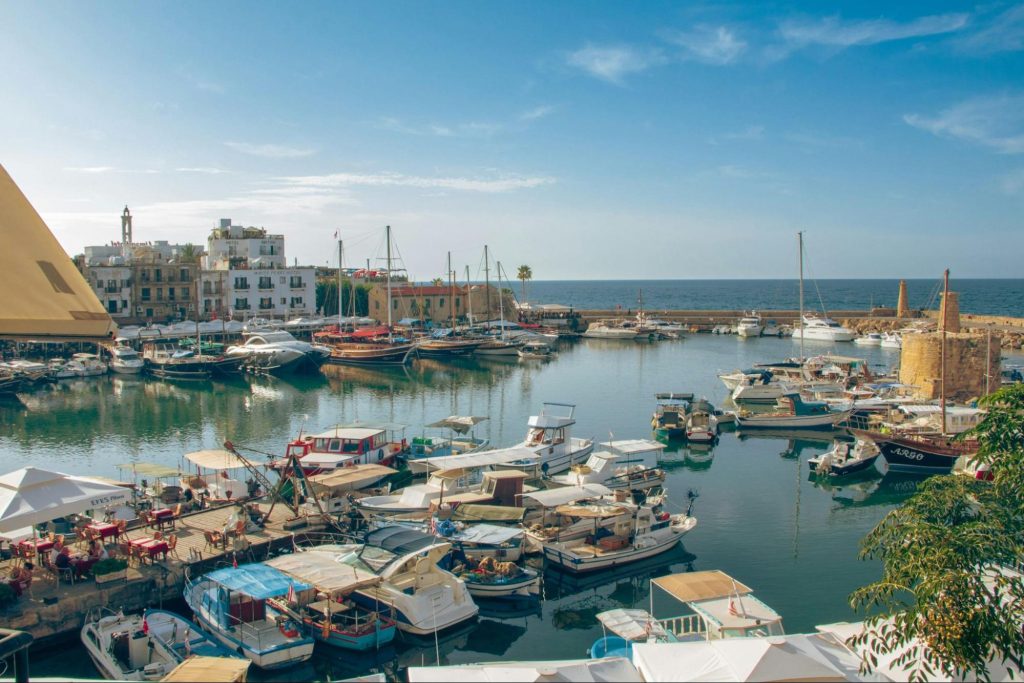
Cyprus is an island where transport choices shape the entire travel experience. Distances are not huge, but geography, road conditions, and uneven public transport strongly affect how much you can realistically see. Coastal resorts, mountain villages, and archaeological sites are spread out, and connections are not always straightforward.
Understanding how transport works on the island helps avoid slow transfers and unrealistic itineraries. Some routes are simple and well connected, while others rely on driving or careful planning, especially outside major resorts.
Key Geography and Travel Logic
Cyprus is compact, but travel times depend more on terrain than distance. Most key areas sit along the coast, including Paphos in the west, Limassol in the south, Larnaca in the southeast, and Ayia Napa in the east. Inland regions are quieter and mountainous, with the Troodos range slowing cross-island travel.

Transport infrastructure is uneven. Highways make coastal travel relatively quick, but once you leave main corridors, roads become narrower and winding, especially inland. Public transport also thins out beyond cities and resorts, which is why travel often takes longer than maps suggest.
Comparing Ways to Get Around Cyprus
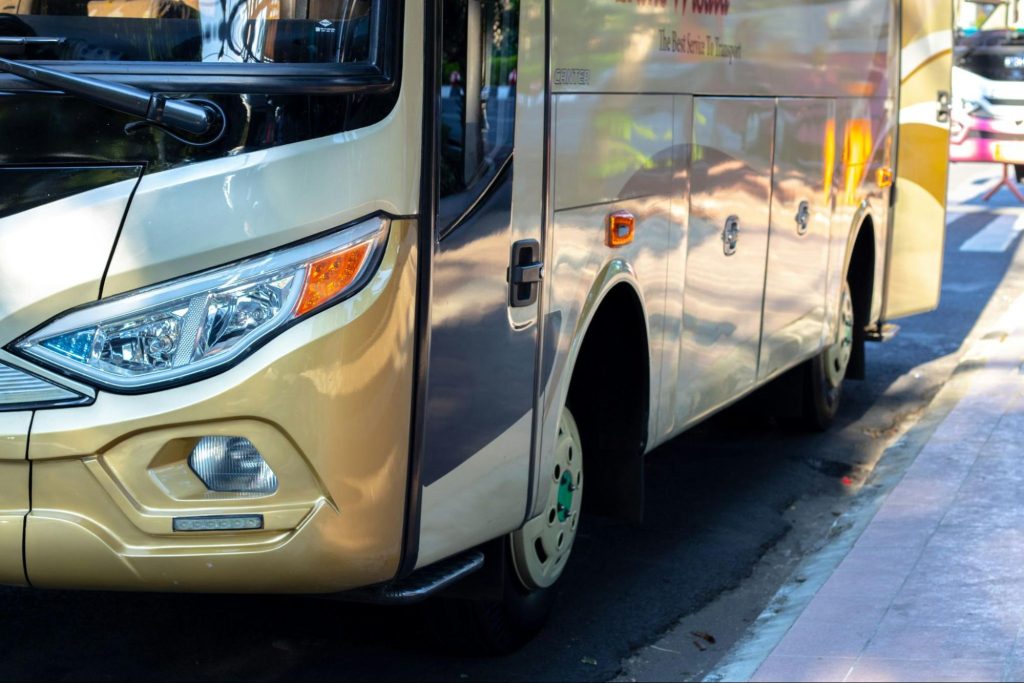
Transport in Cyprus is simpler than in many European destinations because some options do not exist. There are no domestic flights or railways, so most travel happens by road. Buses, rental cars, and short transfers form the core network, with ferries playing only a minor seasonal role.
When it fits
- Travel between major cities
- Budget trips without a car
- Coastal routes
Pros
- Cheap and relatively reliable
- Good links between main hubs
- Simple fares
Cons
- Limited evening schedules
- Weak rural coverage
- Indirect routes inland
Rental Car

When it fits
- Island road trips
- Exploring beaches and villages
- Flexible itineraries
Pros
- Full freedom of movement
- Access to remote areas
- Faster point-to-point travel
Cons
- Left-side driving adjustment
- Parking in busy resorts
- Mountain road conditions
Taxis and Ride-Hailing

When it fits
- Airport transfers
- Short resort distances
- Late arrivals
Pros
- Convenient and widely available
- No navigation required
- Works well in cities
Cons
- Expensive for longer trips
- Limited apps outside tourist zones
Tours and Private Transfers
When it fits
- Short stays without a car
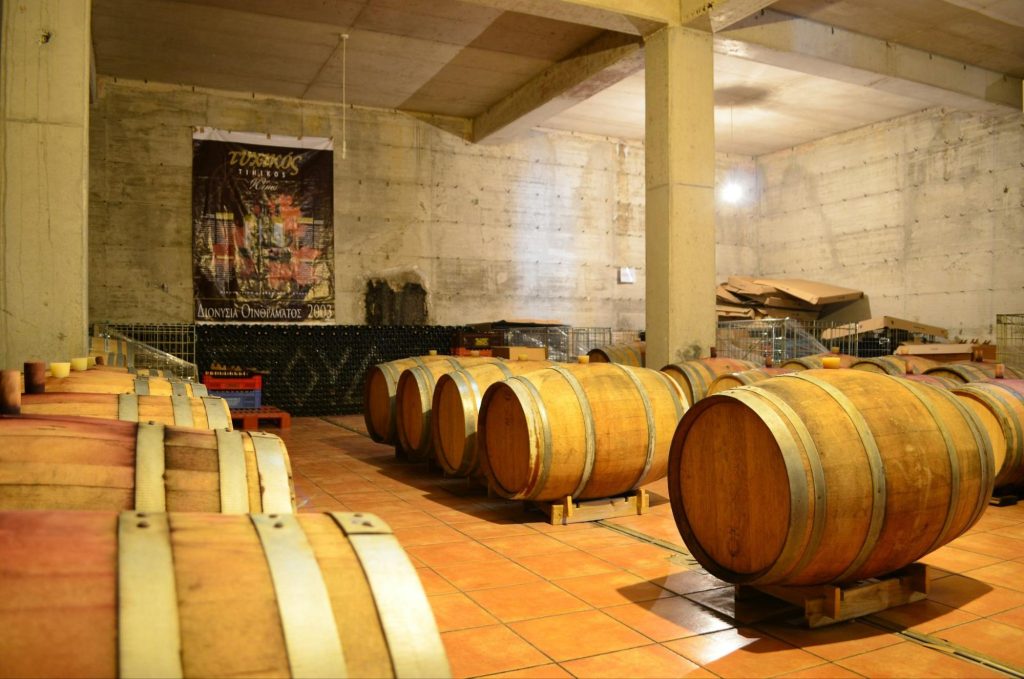
- Day trips to Troodos or wineries
- Structured travel styles
Pros
- Pre-arranged logistics
- Comfortable day trips
- Access to harder-to-reach places
Cons
- Fixed schedules
- Less flexibility
- Higher cumulative cost
Ferries and Boats
When it fits
- Seasonal international crossings
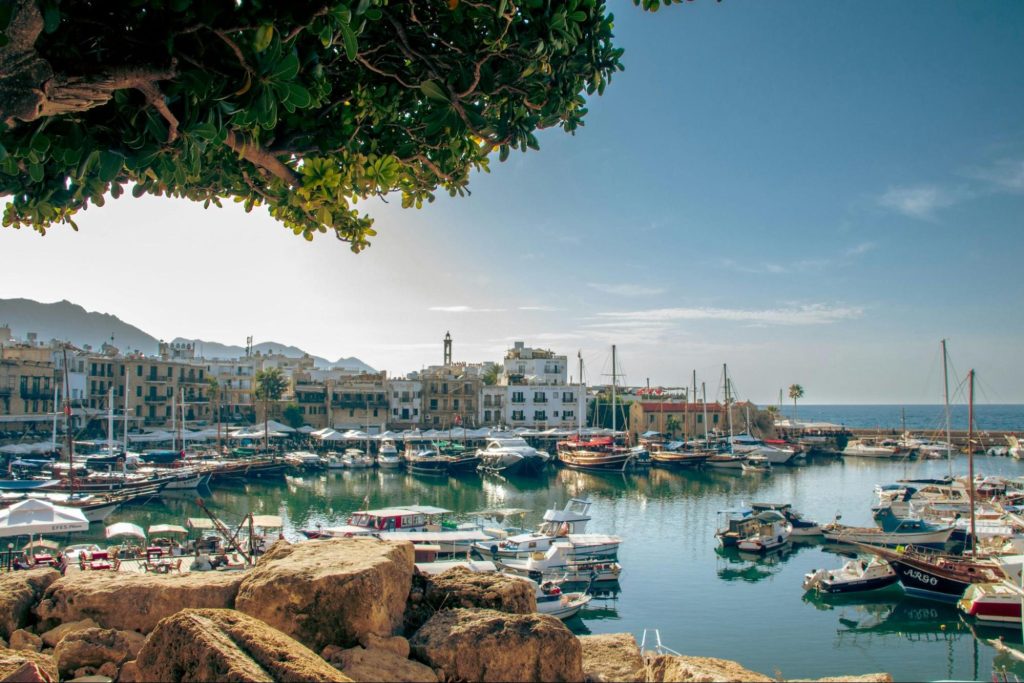
- Coastal cruises
Pros
- Scenic option
- Occasional vehicle transport
- Alternative to short flights abroad
Cons
- Not used for domestic travel
- Weather dependent
- Limited seasonal routes
Mountain Shuttles

When it fits
- Troodos region
- Trail access areas
Pros
- Useful in peak hiking seasons
- Reduces parking pressure
Cons
- Very limited schedules
- Often requires a car to reach departure points
Rental Car: Is It Worth It in Cyprus?
A rental car often transforms the experience. While buses connect major cities, many memorable places sit outside direct routes. Remote beaches, mountain villages, and viewpoints are far easier to reach with your own vehicle.

When a Car Makes a Big Difference
The Troodos Mountains, Akamas Peninsula, and smaller coastal areas are much easier with a car. Bus coverage is limited, especially outside summer.
When You Can Manage Without One
You can skip a car if staying in one resort like Paphos, Ayia Napa, or central Limassol and focusing on beaches and guided trips.
Driving Basics
Most visitors can rent with a national licence. Minimum age is usually 21, with extra fees under 25. A credit card is typically required for the deposit.
Left-Side Driving
Cyprus follows left-hand traffic. Highways are modern, but mountain roads are narrower and winding.
Parking
Parking is relatively easy compared to mainland Europe. Resorts often have free or cheap parking, while city centres may use paid zones.
Choosing a Car
Compact cars suit most trips. SUVs help in rural areas but are rarely essential. Automatic cars are less common, so booking early helps.
Public Transport in Cyprus: What to Expect
What Exists and How Practical It Is
Public transport in Cyprus is based almost entirely on buses, and coverage is strongest along the southern part of the island. The main intercity operator, Intercity Buses, connects cities such as Paphos, Limassol, Larnaca, and Nicosia with fairly reliable daytime services. These routes are affordable and straightforward, making them the main alternative to driving between major hubs.

Within cities and resort areas, local bus networks handle short-distance travel. Paphos, Larnaca, and Ayia Napa have relatively easy-to-use systems for beaches, promenades, and hotels. However, once you leave main tourist zones, bus density drops quickly, and many inland villages or scenic coastal spots become hard to reach without a car.
Buying Tickets and How It Works
Intercity buses typically use fixed fares and allow onboard ticket purchase, usually in cash, though some operators now accept contactless cards. Local city buses often follow a similar system, with low flat fares that make short trips inexpensive compared to taxis.
There is no single nationwide ticketing platform that covers the entire island. Instead, transport is organised by regional operators, which means travelers may use different websites or payment methods depending on the route. This is manageable for simple itineraries but requires a bit more planning for multi-stop trips.
Passes and When They Make Sense
Day passes and weekly tickets are available in some urban networks and can be useful if you plan to stay in one resort area without renting a car. In places like Paphos or Larnaca, these passes can make daily beach or sightseeing travel cheaper and easier.
For island-wide travel, however, passes are less useful because long-distance routes are usually paid per journey. Most travelers mixing cities and regions rely on individual tickets rather than bundled transport cards.
Limitations You Should Plan Around
The biggest limitation is frequency and timing. Many intercity routes run regularly during the day but become sparse in the evening, and some services stop earlier than visitors expect. Sunday timetables are often reduced, which can complicate transfers between cities.
Indirect routing is another reality. Even relatively short distances may require a change in a larger city like Limassol or Nicosia, especially if you are moving between different coastal regions. This can turn what looks like a short trip into a multi-hour journey.
Seasonality also affects reliability. Summer usually brings more frequent buses in resort areas, while winter schedules can feel noticeably thinner. Planning with extra time and checking timetables shortly before travel helps avoid surprises.
Ferries and Sea Travel in Cyprus
Are Ferries Used Within the Island?
Unlike many Mediterranean islands, Cyprus does not rely on ferries for internal travel. There are no domestic ferry routes connecting different parts of the island, so boats are not used for getting between major cities or coastal regions. Most travel within Cyprus happens by road, which is why ferries play only a minor role in everyday logistics.
Main Ferry Routes From Cyprus
Ferries are mainly relevant for international crossings rather than local transport. The most notable route is the seasonal passenger ferry between Limassol and Piraeus (Athens), which typically runs during the warmer months. This route appeals to travelers who prefer slower travel or want to avoid flying, though it is far less common than air connections.
There are also occasional private or small-scale routes linking Cyprus with nearby Eastern Mediterranean destinations, but these are not part of a regular transport network and are rarely used for standard travel planning.
Booking and When It Matters
If you plan to take the Limassol–Greece ferry, booking in advance is important, especially in summer. Cabins and vehicle spaces can fill quickly, and sailings are not frequent compared to typical European ferry corridors. Outside peak season, availability improves, but departures may also become less predictable.
Because routes are limited, ferries in Cyprus are usually planned as a dedicated travel experience rather than a flexible transport option.
Traveling With a Car
One advantage of the Cyprus–Greece ferry is the ability to transport a vehicle. This can be useful for extended road trips across southern Europe, allowing travelers to continue driving on the mainland without renting another car. However, for most visitors, flying and renting locally remains more practical and time-efficient.

Weather and Practical Considerations
Sea conditions in the Eastern Mediterranean are generally stable, but weather can still affect sailing schedules, particularly during windy periods. Since ferry options are limited, delays or cancellations can significantly affect onward plans.
For most itineraries, ferries are best seen as a niche alternative rather than a core transport method. They make sense for slow travel or multi-country routes, but for typical holidays, flights and road travel remain the dominant ways to move to and from Cyprus.
Mountains and Seasonality: Travel in the Troodos Region
The Troodos Mountains create a very different travel dynamic from the coast. Roads are slower, distances feel longer, and public transport becomes minimal.
Driving times increase quickly on winding climbs, so realistic timing is important when planning inland trips.
Public transport rarely reaches trailheads or small villages, which is why a car or guided tour is usually the most practical way to explore.
Summer offers the easiest conditions, with open roads and cooler temperatures than the coast. Winter occasionally brings snow to higher elevations, sometimes affecting access. Spring and autumn are quieter but can bring fog or rain in higher areas.
Mountain travel requires flexibility. Weather changes quickly with elevation, and allowing extra time makes the experience more relaxed.
Real Travel Scenarios: Routes, Timing, and Budget
3–5 Days Without a Car
Who it fits
- Short holidays
- Solo travelers
- Non-drivers
Base structure
One main coastal base, such as Paphos or Ayia Napa
How travel works
Most time is spent within one resort area, using local buses, walking, and occasional taxis. One or two guided day trips can cover inland highlights like Troodos villages or archaeological sites.
Time reality
Airport transfers are straightforward, but independent cross-island travel becomes slow without a car. Day trips typically take a full day due to indirect routes.
Highest cost factor
Guided tours and taxis
How to save
Choose accommodation near the centre of a resort area and book shared excursions instead of private transfers.
7-Day Coastal Mix
Who it fits
- First-time visitors
- Couples or small groups
- Balanced beach and sightseeing trips
Base structure
One or two coastal bases, often combining Paphos and Limassol or Larnaca and Protaras
How travel works
Intercity buses or short car rentals connect the main bases, while local buses handle short distances. This approach keeps logistics manageable without fully committing to driving.
Time reality
Cross-island transfers usually take 2–3 hours depending on route and connections. Coastal travel is easier than inland routes.
Highest cost factor
Accommodation and seasonal transport prices
How to save
Travel in shoulder seasons and avoid frequent base changes that increase transfer costs.
7–10 Day Road Trip
Who it fits
- Travelers wanting flexibility
- Couples or families
- Return visitors
Base structure
Two or three bases, often covering west, centre, and east
How travel works
A rental car allows circular routes linking Paphos, Troodos, Limassol, and the eastern beaches. Scenic detours and smaller villages become realistic without rigid schedules.
Time reality
Driving across the island usually takes 2–3 hours, but mountain segments can be slower. Flexible timing makes it easier to include spontaneous stops.
Highest cost factor
Car rental and fuel
How to save
Book rentals early, choose a compact car, and stay in fewer bases to reduce one-night stops.
10–14 Day Full Island Exploration
Who it fits
- Slower travel styles
- Long holidays
- Explorers wanting variety
Base structure
Two to four bases across different regions
How travel works
Combining coastal stays with inland detours creates a more complete island experience. Travelers can explore archaeological sites, mountains, beaches, and smaller towns without rushing between regions.
Time reality
Most transfers stay under half a day, but spacing them out keeps the trip relaxed. Mountain days and scenic routes naturally extend travel time.
Highest cost factor
Multi-base accommodation and car rental duration
How to save
Use longer stays in each base and avoid peak summer if flexibility allows.
Useful Apps and What to Check Before You Go
Maps and Navigation
Google Maps works well across Cyprus and is the most reliable all-purpose navigation tool for both driving and public transport directions. It gives realistic driving times on highways and helps estimate distances between coastal towns, which is useful when planning base changes.

For offline navigation, Maps.me is a good backup, especially in the Troodos Mountains or rural coastal areas where signal can drop. Many travelers use it for hiking trails and small village roads that are not always clearly marked.
If you rent a car, Waze can also be helpful on main highways, particularly around Limassol and Nicosia, where it reflects traffic conditions more accurately than static maps.
Public Transport and Schedules
For intercity buses, the Intercity Buses Cyprus website is the most reliable source for routes and timetables between cities like Paphos, Limassol, Larnaca, and Nicosia. There is no single nationwide transit app, so checking operator websites remains the most accurate way to confirm departures.
In urban areas, local bus operators such as Pafos Buses and Cyprus Public Transport (serving Larnaca and Nicosia regions) publish updated schedules online. These sites are more reliable than third-party apps, especially outside peak season.
Booking Cars and Transfers
For car rentals, platforms like DiscoverCars and Rentalcars allow easy comparison of local and international providers operating at Larnaca and Paphos airports. Booking early is particularly important if you need an automatic car, which is less common on the island.
For taxis and short transfers, Bolt operates in cities like Limassol and parts of Larnaca, offering a more predictable alternative to street taxis. In smaller towns, hotel reception or local taxi numbers are still the most practical booking method.
Tours and Day Trips
If you plan guided excursions instead of driving, GetYourGuide and Viator list many Cyprus-based operators offering Troodos tours, wine region trips, and coastal cruises. While these are global platforms, they help compare local providers in one place.
For more local experiences, some regional operators promote tours through Facebook or Google listings rather than apps, so checking recent reviews can help identify reliable options.
Where to Check Official Updates
For transport and seasonal changes, the Visit Cyprus tourism website often shares practical updates about travel conditions, road access, and seasonal highlights. This is especially useful for checking mountain weather or festival-related traffic changes.
Before heading into the Troodos region, local hotel staff or tourist information points remain one of the most practical sources of real-time advice. They often provide more accurate, up-to-date guidance than apps, especially during changing weather conditions.
Making Cyprus Easy to Navigate
Moving around Cyprus becomes much simpler once transport choices match how the island actually works. Coastal highways make travel between major hubs relatively quick, but flexibility drops the moment you head inland or try to rely only on public transport. Understanding this contrast helps set realistic expectations before building an itinerary.

For short stays, staying in one well-connected base and adding guided trips can keep logistics simple. Longer trips benefit from at least part-time car access, especially if you want to combine beaches, mountains, and smaller villages. This hybrid approach allows you to enjoy the relaxed pace of the island without being limited by bus schedules.
There is no single best way to get around Cyprus for every itinerary. The right choice depends on how many regions you want to cover and how flexible you want your days to feel. When transport choices align with geography and travel style, the island becomes far easier to explore without wasting time on complicated transfers.