Tipping Culture in Munich: what’s expected and what’s optional
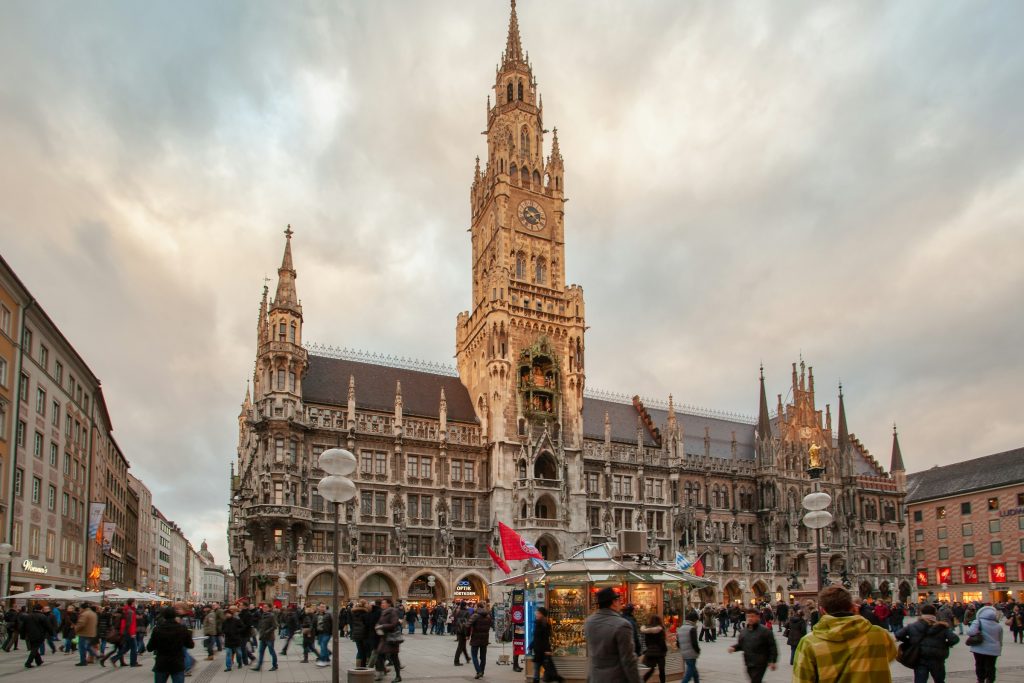
Sitting down in a Munich restaurant, you may notice that tipping works a little differently than in many other countries. Prices already include service, card payments are widespread, and there is rarely a separate gratuity line on the bill. This often raises practical questions: do you tip in Munich, how much to tip in Munich, and how to make sure you are not adding extra by mistake?
Tipping culture in Munich is straightforward once you understand the local logic. Gratuities are a gesture of appreciation rather than a fixed percentage built into the system. This guide explains when tips are expected, when they are optional, how to check your receipt correctly, and how to handle payments confidently without overpaying.
The essence of tipping culture in Munich
In Munich, as in the rest of Germany, tips are seen as a thank you, not as a substitute for wages. Staff receive a salary. Gratuity is a sign that you appreciated the service, not an obligation automatically added to every bill.
So do you tip in Munich? Yes, usually in restaurants, taxis and for personal services. But the amounts are moderate. The normal range depends on the situation and level of service, yet it is typically around rounding up the bill or leaving roughly 5 to 10 percent for good service. Higher tips are rare and reserved for truly exceptional experiences.
When is tipping not necessary? In self-service settings, minimal-service spots or when the service was clearly poor. Tipping culture in Munich values fairness. If something went wrong and staff did not try to fix it, you are not expected to reward that.
Restaurants: the main scenario
Restaurants are where most visitors ask: how much to tip in Munich?
First, check the bill
Before adding anything, look at your receipt. In Germany, menu prices already include VAT and basic service. You might see words like “Service”, “Bedienung” or simply a total amount with no separate service charge line. Unlike some countries, a specific gratuity line is not standard.
If service is explicitly included, you are not required to add more. If the experience was excellent, locals may still round up slightly as a gesture, but it remains symbolic.
If nothing extra is listed, tipping culture in Munich suggests rounding up or adding a modest amount. For example, if the total feels awkward, many people simply round it to a convenient number. For attentive, friendly service, adding around 5 to 10 percent is common.
How to leave the tip
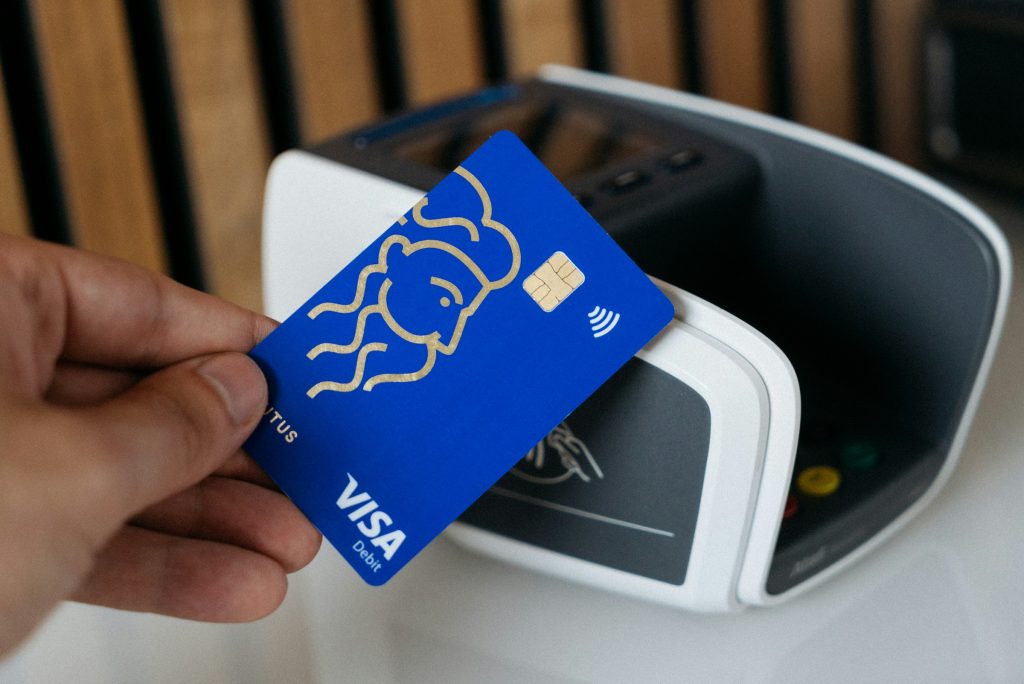
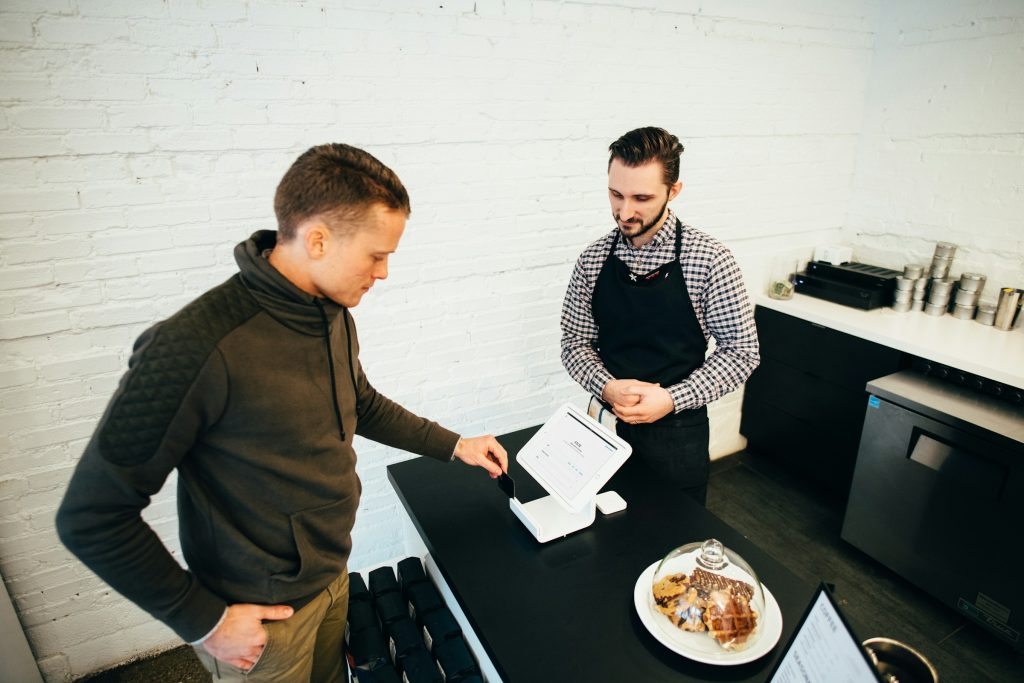
This is where Munich often feels different. When paying, especially by card, you usually state the final amount you would like to pay before the transaction is processed. Instead of adding a tip afterwards, you tell the server the total including the tip, and they enter that figure into the terminal.
You can also leave cash on the table or inside the bill folder. Many people prefer cash, as it avoids any confusion at the card machine and ensures the tip goes directly to the staff.
So, do you tip in Munich by default? In restaurants with table service, yes. But it is done consciously and directly, usually by rounding up or adding a modest amount, rather than by applying a fixed percentage.
Cafés and quick bites
In bakeries, coffee shops and places where you order at the counter, tipping is optional. Tipping culture in Munich does not expect you to leave anything for takeaway or counter service.
Some cafés have a small tip jar. You can drop in loose change if you wish. If someone carried your tray or provided special help, a small gesture is appreciated, but it is not required.
When asking how much to tip in Munich in a café, the honest answer is often: nothing, or just a few coins if you feel like it.
Bars and beer halls
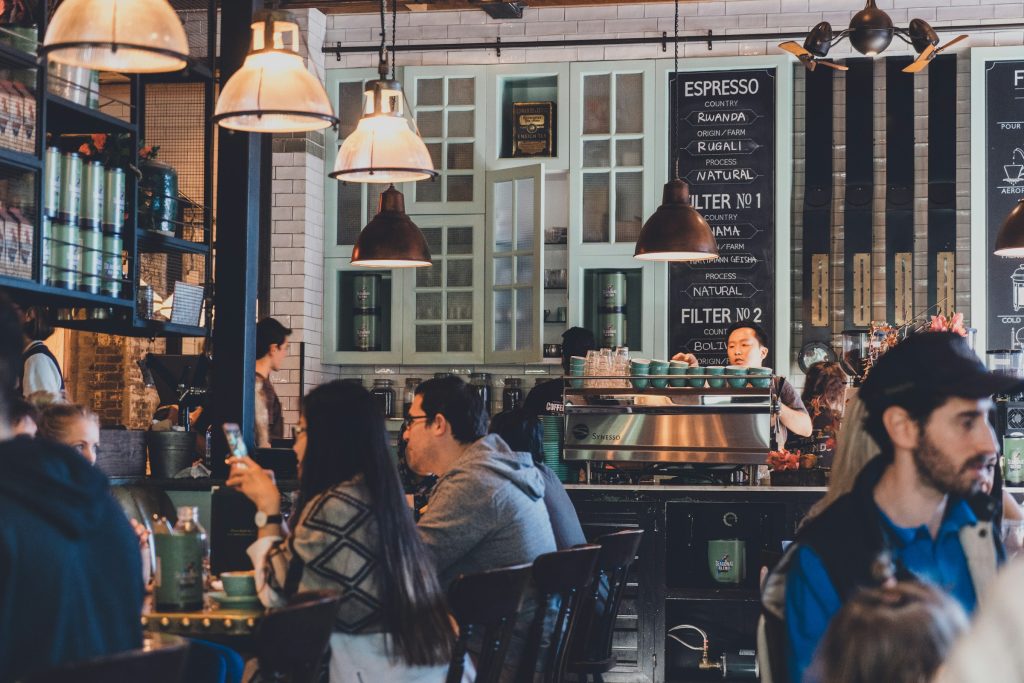
Munich’s beer culture shapes how tipping works in practice. In traditional beer halls and breweries, service is efficient, direct and often brisk, especially during peak hours or Oktoberfest season. Staff may manage dozens of guests at once, carrying multiple litre steins in a single round. The pace is fast, but that does not change the basic rule: tips are a gesture of appreciation, not an obligation.
If you order and pay straight at the counter, leaving a small amount or rounding up is polite but optional. Many locals simply add a modest extra amount when settling the bill. In large beer halls such as those found around Marienplatz or during festival periods, it is common to keep tipping practical and moderate rather than generous. Even in iconic venues, no one expects oversized percentages.
Where there is table service, the approach is similar to restaurants, but still restrained. A small addition for attentive, friendly service is appropriate. Regulars often tip consistently but modestly, especially if they plan to return and build rapport with staff. Munich’s tipping culture reflects the city itself: structured, fair and measured, even when the atmosphere is lively
Hotels and accommodation
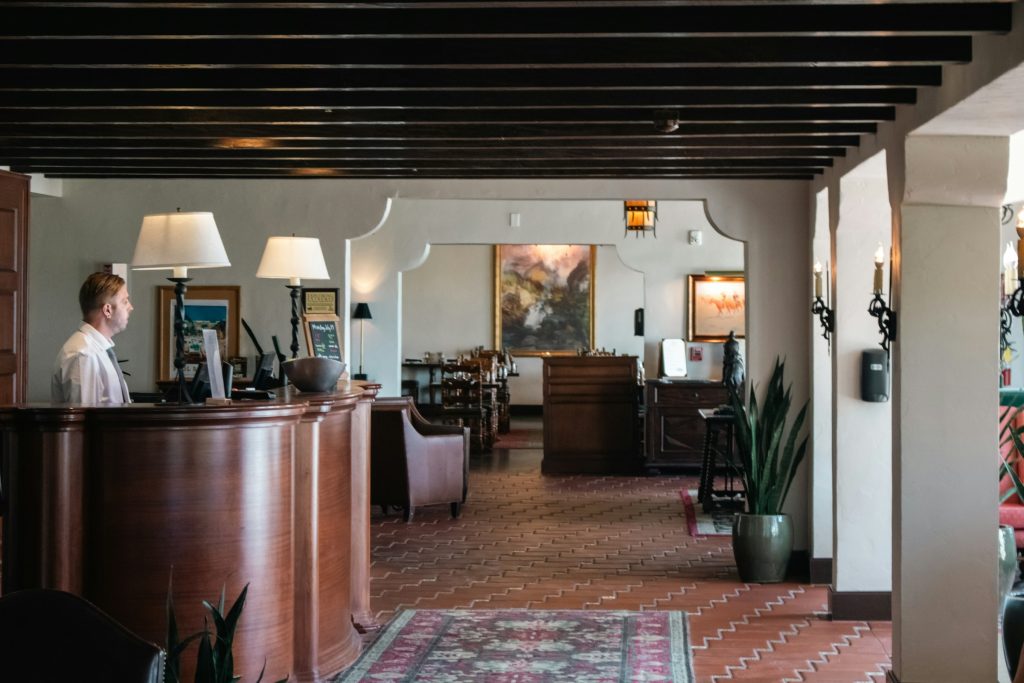
Hotel tipping in Munich depends on the type of service.
If a porter carries your luggage, a small amount per bag is customary. It is a thank you for a specific action, not a percentage of your room rate.
For housekeeping, leaving a small amount at the end of your stay is optional. Some guests prefer to leave a little each day to ensure it goes to the person cleaning the room that day. It is appreciated but not mandatory.
For concierge services, tips are given for non-trivial help, such as securing hard-to-get reservations or solving a complex issue. Basic check-in, standard information or routine assistance do not require a tip.
Do you tip in Munich hotels automatically? No. You tip for personal, extra effort.
Taxis and ride-sharing
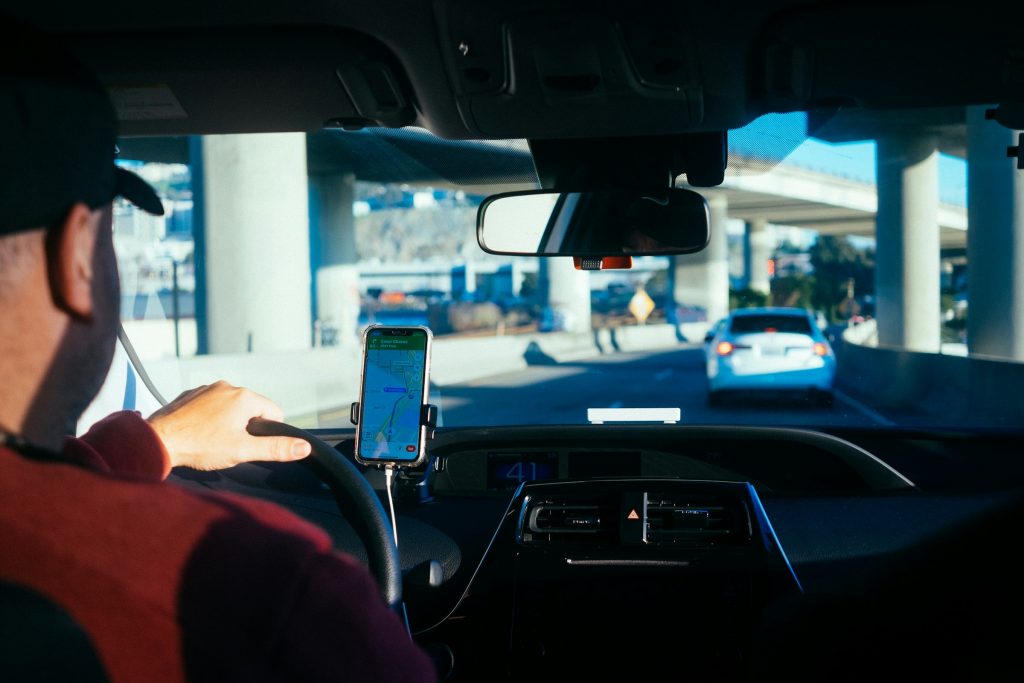
When it comes to transport, how much to tip in Munich? The usual approach is rounding up the fare or adding a small percentage for friendly, safe service.
If the driver helped with luggage or took a complicated route efficiently, rounding up a bit more is reasonable. If the service was unpleasant, pushy or clearly overpriced, tipping is not expected.
In ride-sharing apps, tipping is optional and can be done in the app. Many locals simply round up in cash or skip tipping unless the experience stood out.
Tours and activities
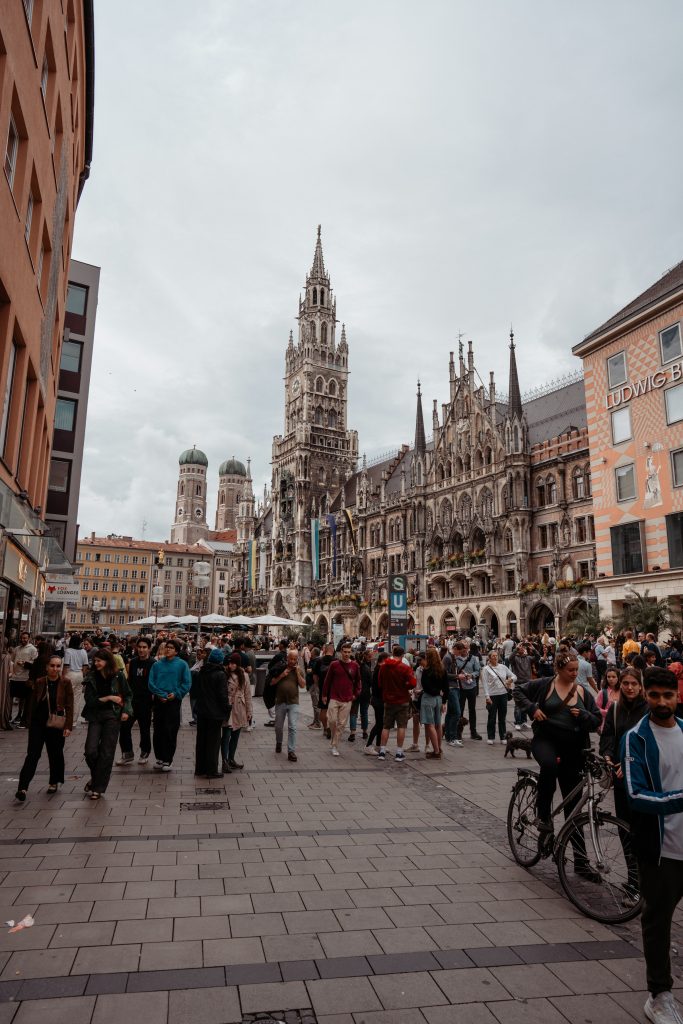
On paid group tours in Munich, tipping is appreciated but kept within reason. If you join a scheduled city tour covering key sights such as Marienplatz, the Residenz or the English Garden, and the guide delivers clear explanations, answers questions and manages the group well, a modest tip is appropriate. Many visitors add around 5 to 10 percent at the end, depending on how personal and informative the experience felt.
Free walking tours follow a different logic. Although advertised as “free”, they operate on a tip-based model. In this case, the guide’s income depends largely on what participants contribute. If the tour lasts two to three hours, includes historical context, local stories and practical recommendations, people usually leave a more meaningful amount than they would on a paid tour. The contribution reflects both the time spent and the perceived value of the experience.
Private tours sit somewhere in between. When you book a dedicated guide for a small group or family, the fee covers the service, but an additional tip for strong preparation, flexibility or extra effort is welcome. For example, if a guide adapts the route due to weather or provides tailored restaurant suggestions afterwards, many guests choose to acknowledge that.
If you are unsure how to handle it, asking the guide at the end is completely acceptable. In Munich, direct questions about tipping are not considered rude. It is better to clarify than to guess or overcompensate.
Common mistakes tourists make
One frequent error is tipping twice. Visitors notice that service is already included in the bill, yet still add a full extra percentage on top because they assume that is expected everywhere. In Munich, that leads to unnecessary overpayment. If the price already reflects service, any additional tip should be small and intentional, not a repeated percentage.
Another common mistake is applying habits from countries where 15 to 20 percent is the norm. In Munich, such amounts can look disproportionate to the bill and the level of service provided. Local tipping culture is moderate. A small round-up or a modest addition is typical. Leaving a very high percentage does not improve the experience and is not expected by staff.
Some travellers also tip in a foreign currency, especially if they are finishing their trip and want to use leftover coins. For restaurant and hotel staff, this creates inconvenience, as foreign coins cannot easily be exchanged. Tips should always be left in euros to ensure they are usable and appreciated.
Finally, many people hesitate to ask whether service is included. In Germany, asking directly is normal and practical. Staff are used to the question and will answer clearly. Clarifying the bill before paying avoids confusion and ensures you are tipping based on accurate information rather than assumption.
Quick checklist
- Check the bill carefully for any note about included service. In most cases, service is already built into the price, even if it is not clearly highlighted. If unsure, simply ask.
- If service is not included, round up the total or leave around 5 to 10 percent depending on how attentive and professional the service was. For standard service, rounding up is enough. For excellent service, a slightly higher amount feels appropriate.
- At a bar counter, tipping is optional. Paying the exact amount is normal. If you stay longer or receive table service, rounding up modestly is polite but not required.
- In hotels, tip only for personal assistance such as carrying heavy luggage or resolving a specific issue. Routine check-in or basic questions do not require anything extra.
- Use euros and small cash when possible. While card payments are common, cash often makes tipping simpler and avoids confusion when stating the final amount.
Final thoughts
So, do you tip in Munich? Yes, but with intention rather than habit. Tipping culture in Munich is moderate, structured and based on appreciation, not on social pressure. Staff are paid wages, so a tip is a signal that the service stood out, not a requirement to complete someone’s income. That distinction shapes how locals approach every situation.
How much to tip in Munich depends on context. In a restaurant with table service, rounding up or leaving around 5 to 10 percent for good service is common. In a café with counter ordering, it is often skipped. In a taxi, rounding up is typical. On a free walking tour, the tip reflects the time and effort of the guide. The setting always matters more than a fixed percentage.
If you remember one principle, keep it simple. Check the bill. Make sure service is not already included. Decide whether the experience deserved something extra. Round up to a practical total or add a modest amount for genuinely good service. There is no need to calculate aggressively or match tipping standards from other countries.
In Munich, tipping is calm and straightforward. A fair amount, given openly and without drama, is appreciated. Overpaying does not impress anyone, and skipping a tip after average service does not offend. A clear, reasonable gesture is enough, and that is exactly how locals prefer it.